Blog

Dashierly articles

Practical content to improve sales, store operations, and customer experience.

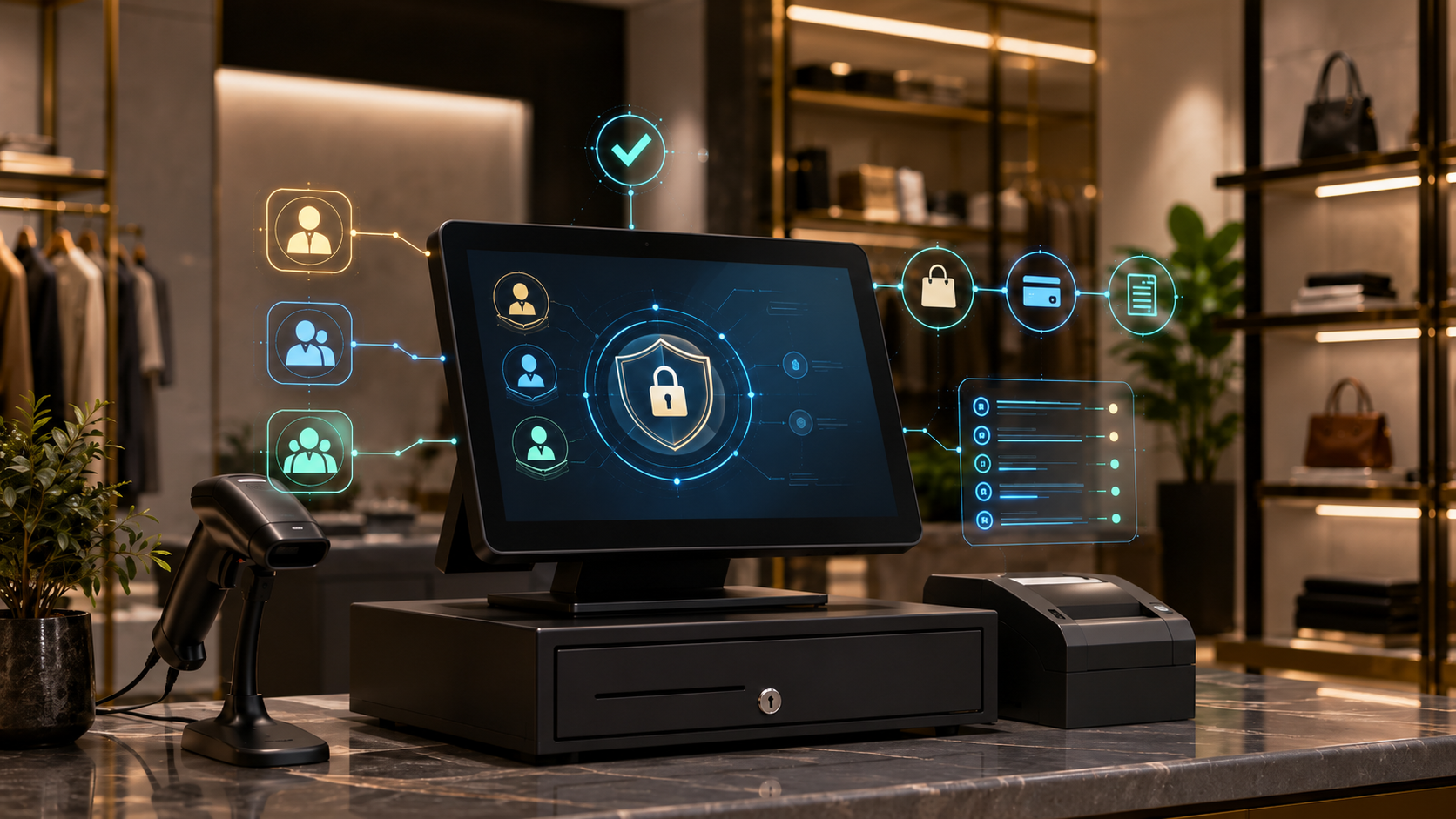
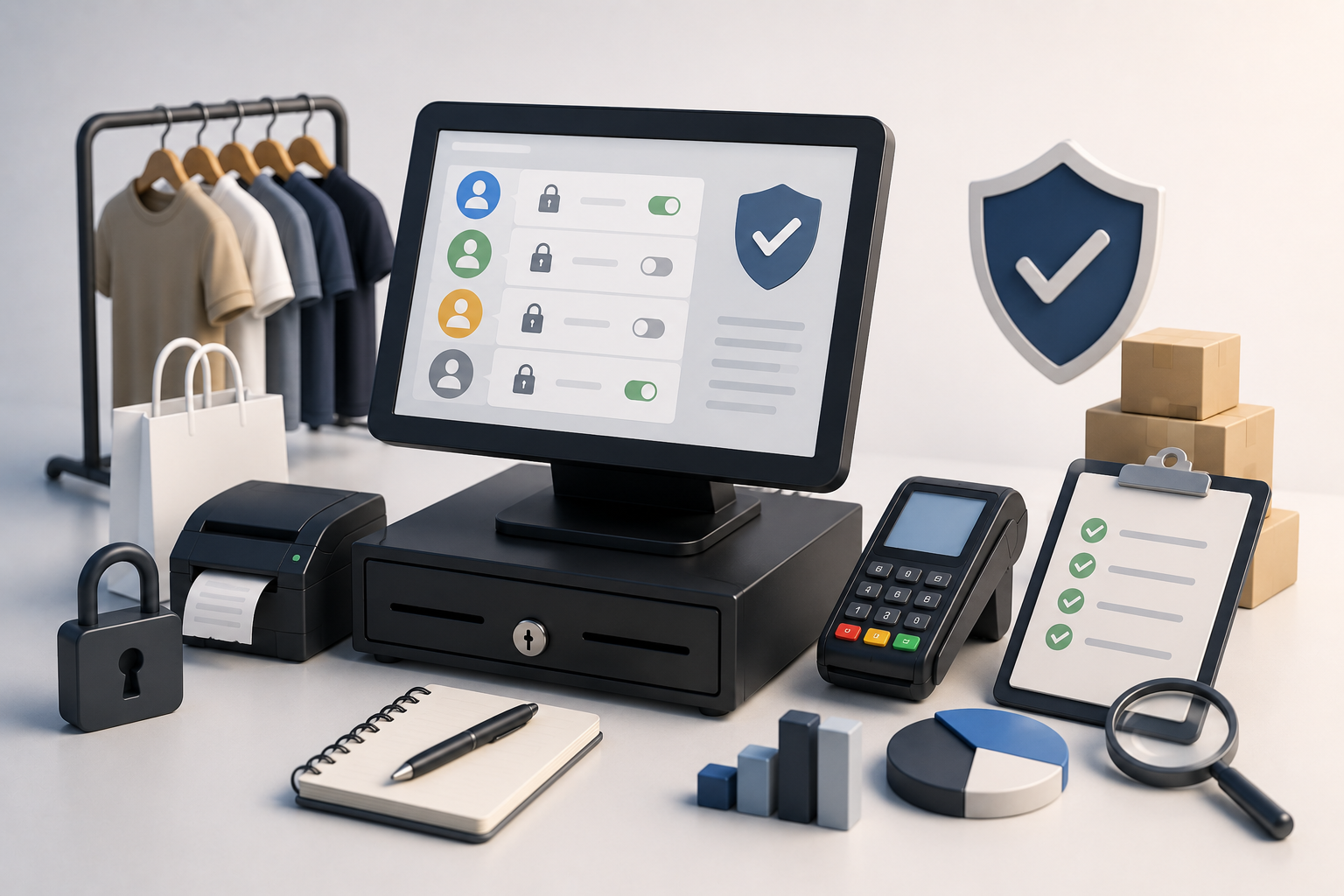
A Refund Was Approved at 2:13 AM—Who Did It and Why? How POS Permissions and Audit Logs Protect Retail Operations

A Refund Was Approved at 2:13 AM—Who Did It and Why? How POS Permissions and Audit Logs Protect Retail Operations

Retail risk often begins with ordinary actions performed by the wrong person: discounts, refunds, voids, price changes, cash adjustments, exports, and permission edits. Learn how a modern POS should use role-based access, manager approvals, secure PINs, device controls, and audit trails without slowing down trusted staff.

Read article
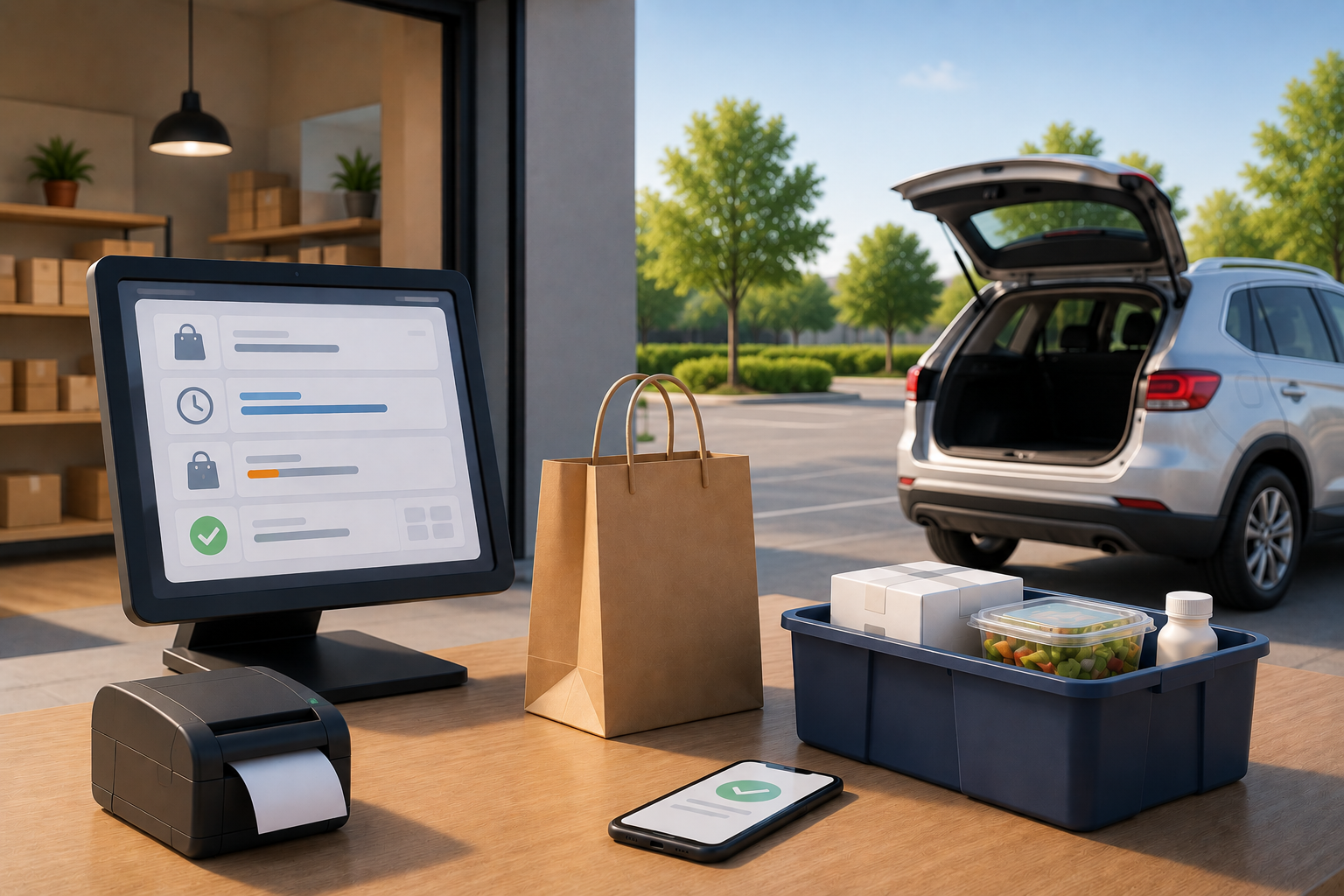

The Customer Is Coming in 20 Minutes—Is the Order Really Ready? How POS Systems Should Manage Click and Collect

The Customer Is Coming in 20 Minutes—Is the Order Really Ready? How POS Systems Should Manage Click and Collect

Click and collect promises convenience, but it can fail when inventory is not reserved, picking is delayed, substitutions are unclear, or orders are marked ready too early. Learn how a modern POS should coordinate online orders, store stock, picking, customer notifications, pickup verification, and returns.

Read article
Your POS Can Recommend the Next Move—But Should It Make the Decision? A Practical Guide to AI in Retail Operations

Your POS Can Recommend the Next Move—But Should It Make the Decision? A Practical Guide to AI in Retail Operations

AI is moving from dashboards into daily retail decisions: forecasting demand, suggesting reorders, detecting anomalies, predicting churn, and summarizing performance. Learn where AI adds value, where human approval still matters, and how to build reliable controls around an intelligent POS.

Read article
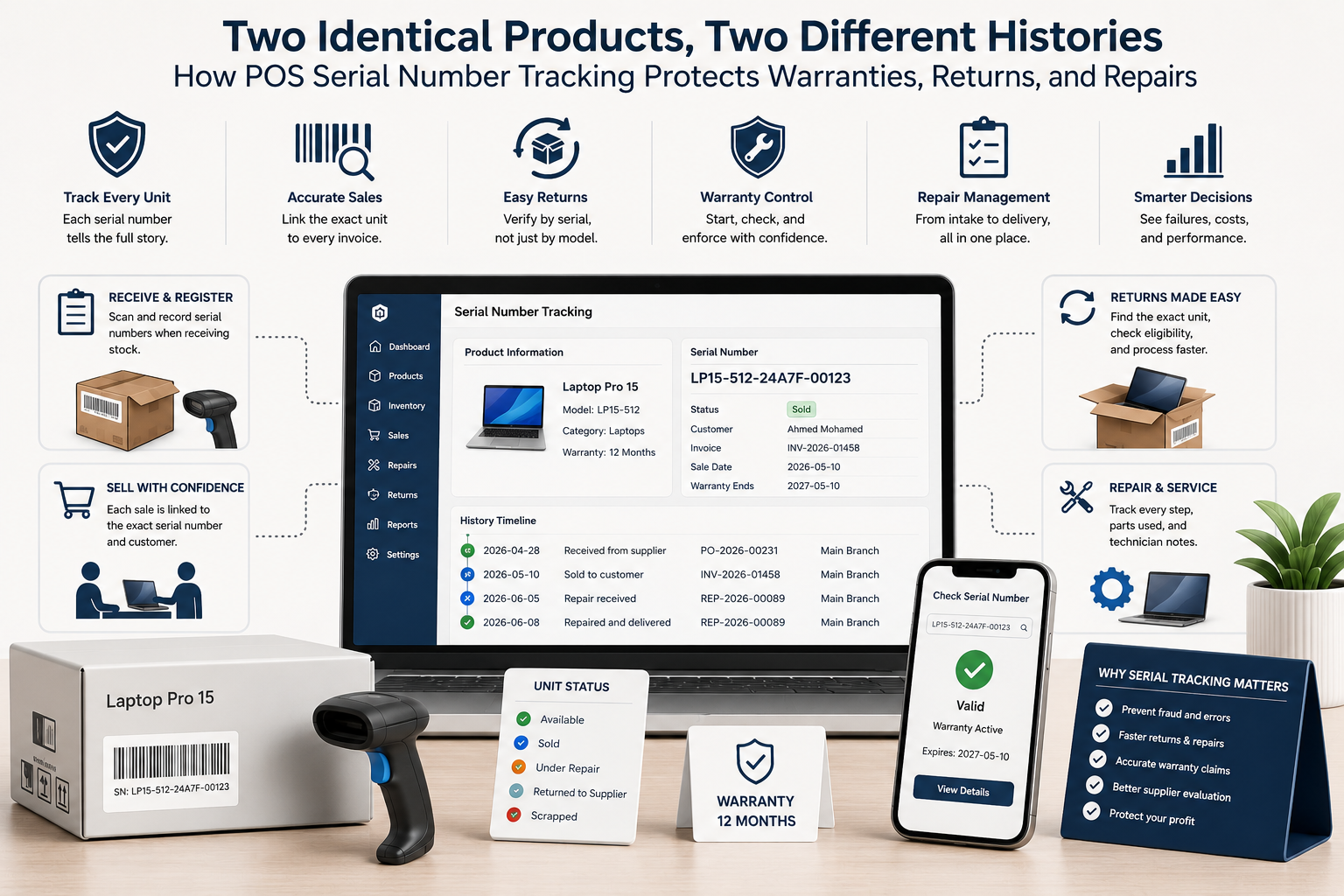
Two Identical Products, Two Different Histories: How POS Serial Number Tracking Protects Warranties, Returns, and Repairs

Two Identical Products, Two Different Histories: How POS Serial Number Tracking Protects Warranties, Returns, and Repairs

Quantity tracking tells you how many units exist. Serial tracking tells you exactly which unit was received, sold, returned, repaired, replaced, or still covered by warranty. Learn how a modern POS should manage serialized inventory from supplier receipt to after-sales service.

Read article
Who Changed the Price? How POS Permissions and Audit Trails Protect Retail Operations

Who Changed the Price? How POS Permissions and Audit Trails Protect Retail Operations

Retail losses and operational mistakes often begin with shared logins, excessive permissions, and actions that cannot be traced. Learn how role-based access, personal accounts, approvals, and POS audit logs create accountability without slowing the store.

Read article
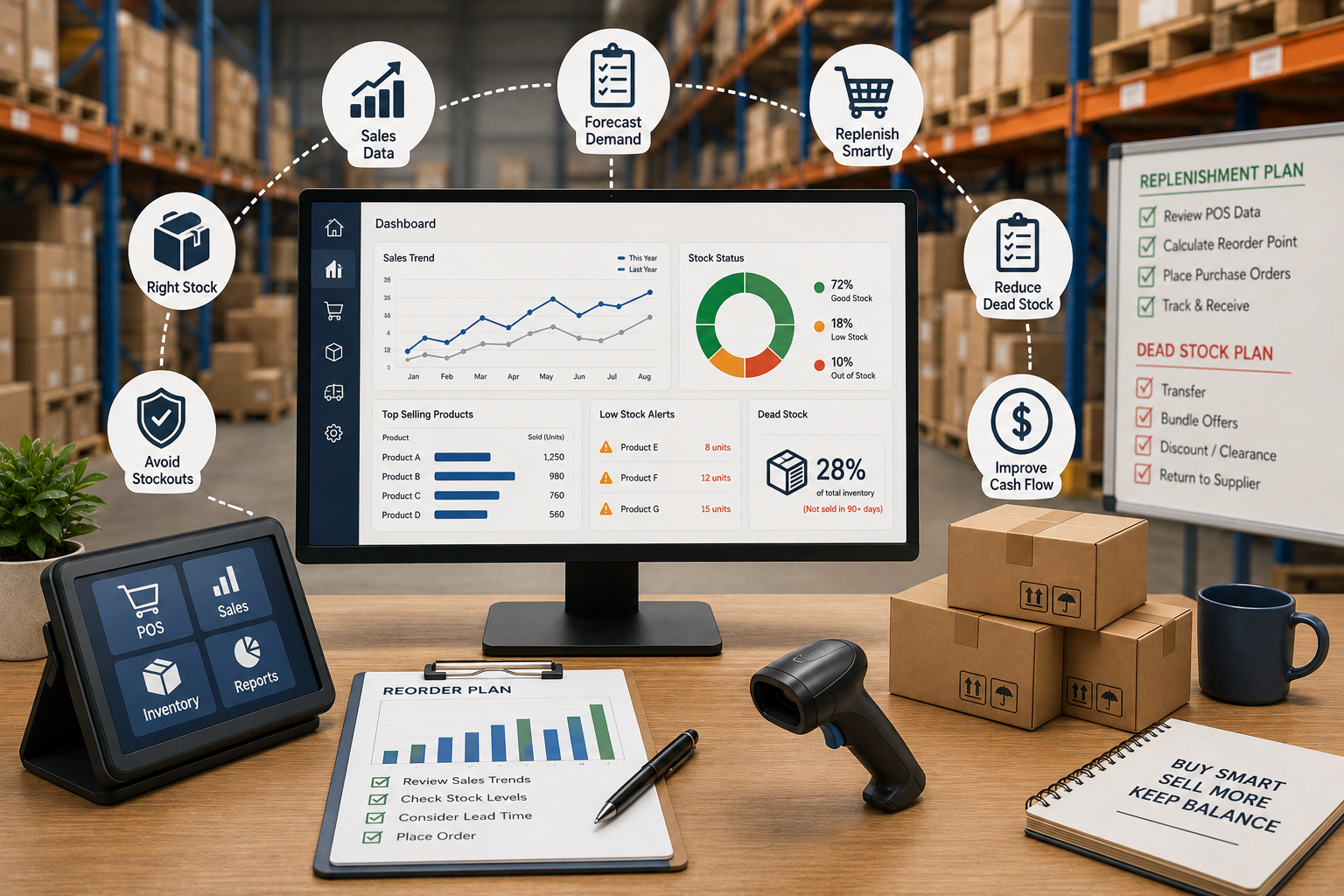
Your Warehouse Is Full, but the Best Sellers Are Missing: How POS Data Fixes Replenishment and Dead Stock

Your Warehouse Is Full, but the Best Sellers Are Missing: How POS Data Fixes Replenishment and Dead Stock

A full warehouse does not mean healthy inventory. Learn how POS sales velocity, lead time, seasonality, reorder points, supplier performance, transfers, and dead-stock analysis help retailers buy the right products at the right time.

Read article
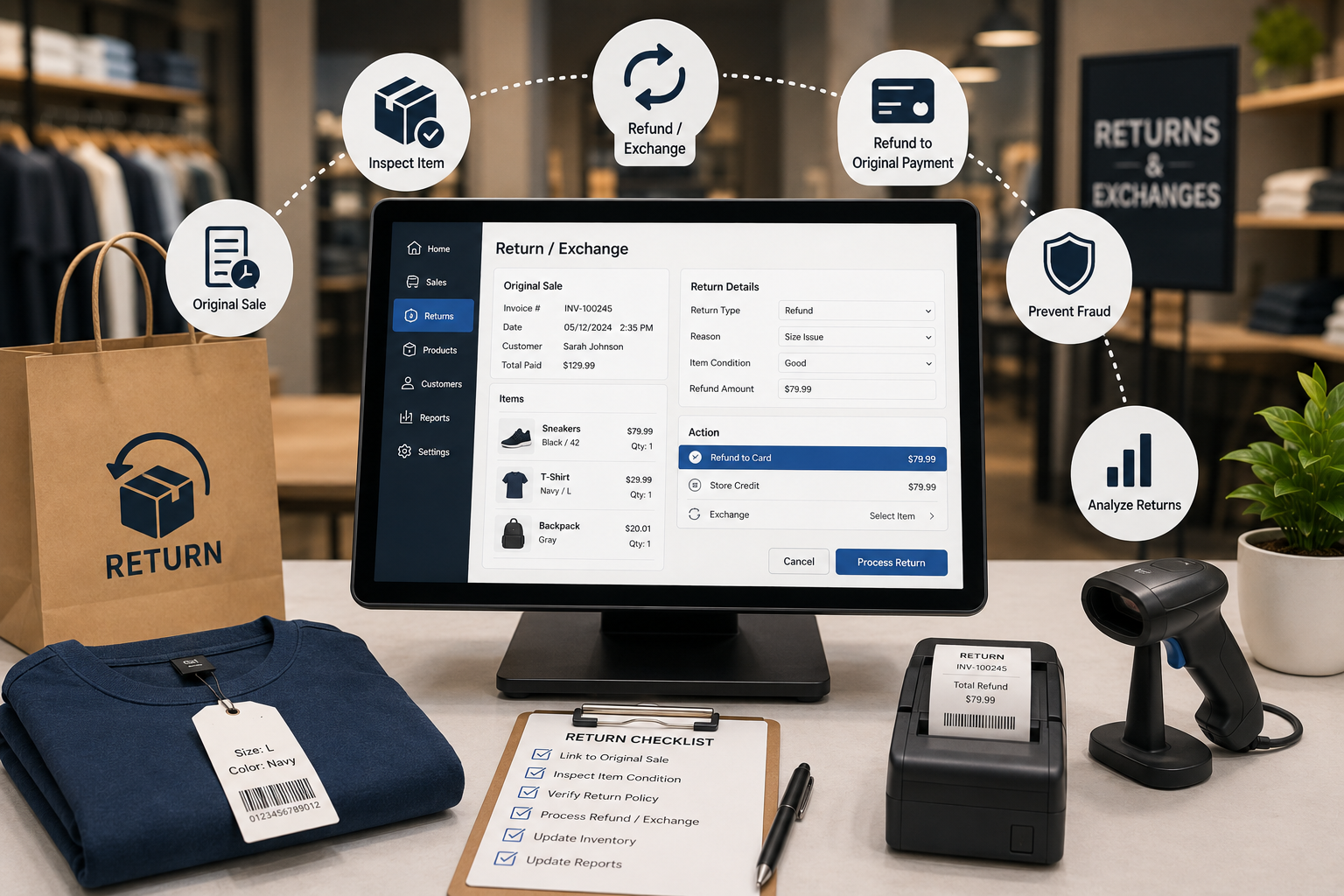
A Return Is Not a Sale in Reverse: How POS Systems Handle Refunds, Exchanges, Restocking, and Return Fraud

A Return Is Not a Sale in Reverse: How POS Systems Handle Refunds, Exchanges, Restocking, and Return Fraud

Returns affect cash, margin, inventory, tax, customer trust, and fraud exposure. Learn how a modern POS should connect every refund or exchange to the original sale, inspect product condition, control approvals, and keep stock accurate.

Read article
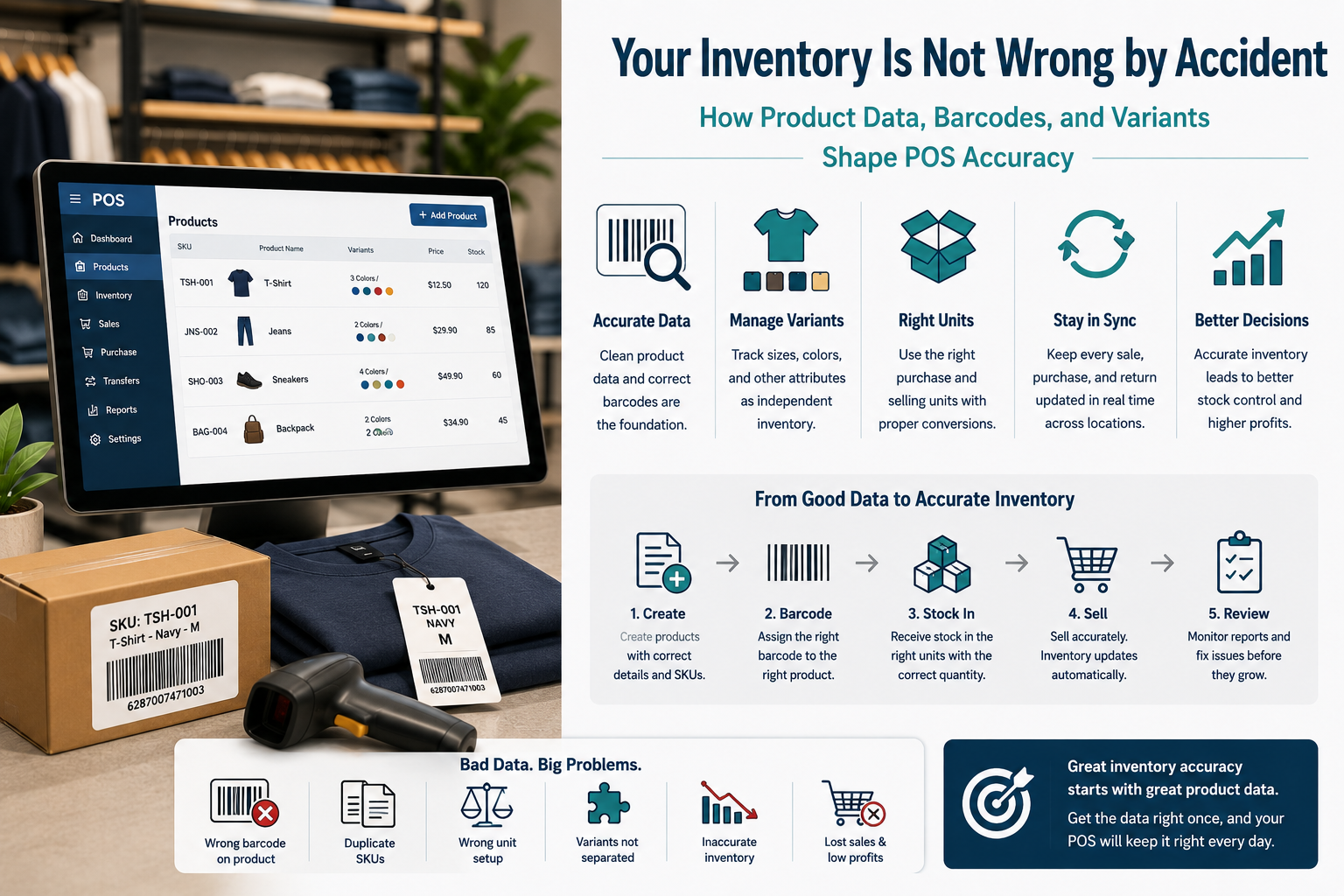
Your Inventory Is Not Wrong by Accident: How Product Data, Barcodes, and Variants Shape POS Accuracy

Your Inventory Is Not Wrong by Accident: How Product Data, Barcodes, and Variants Shape POS Accuracy

Inventory problems often begin before a sale happens. Learn how duplicate SKUs, shared barcodes, wrong units, poorly designed variants, pack sizes, and inconsistent product data create stock errors—and how a modern POS can prevent them.

Read article
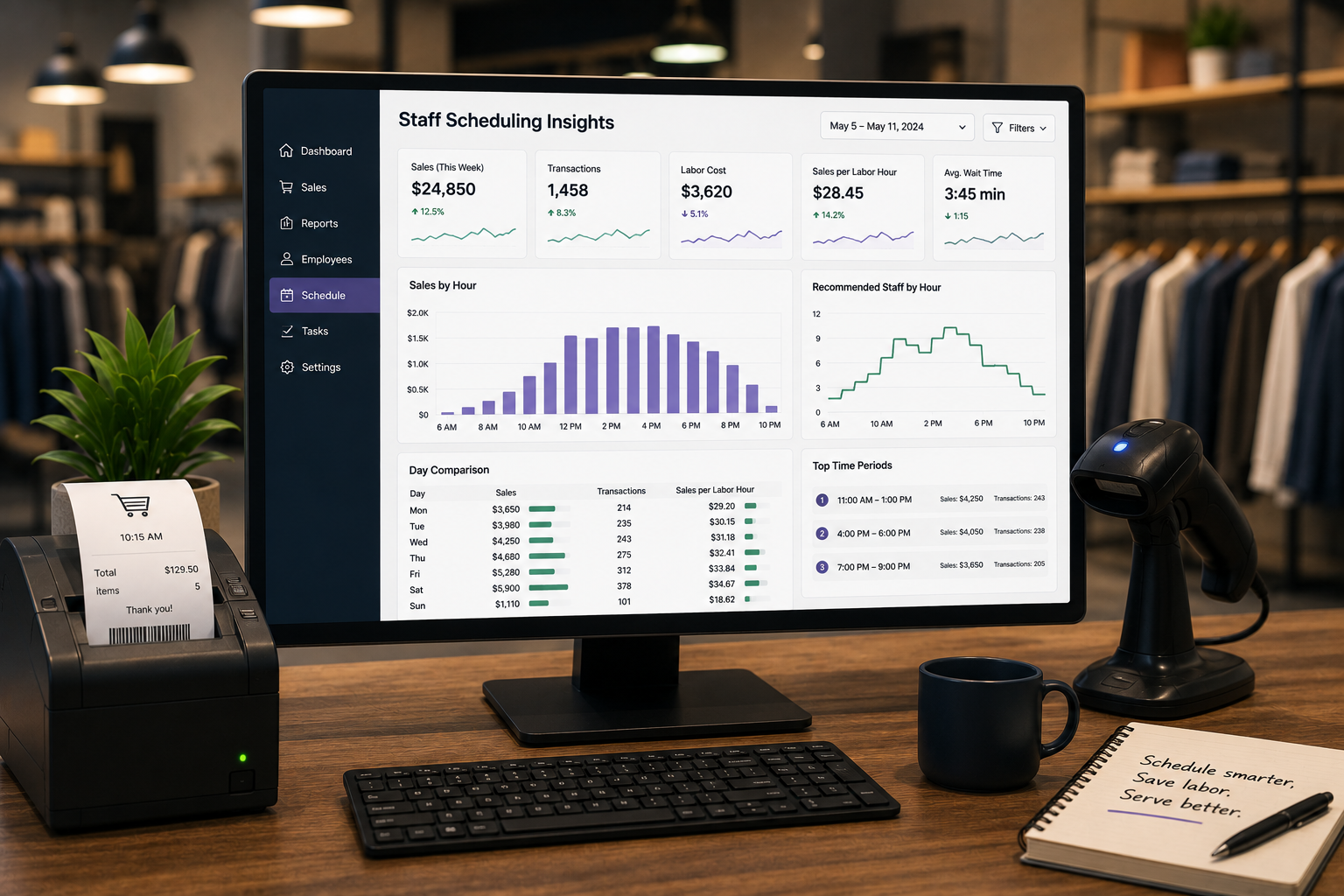
Your Store Is Not Understaffed All Day: How POS Data Helps Schedule the Right People at the Right Time

Your Store Is Not Understaffed All Day: How POS Data Helps Schedule the Right People at the Right Time

Retail staffing problems are often timing problems. Learn how POS sales patterns, transaction volume, basket complexity, returns, receiving, and service demand can improve schedules without cutting service or exhausting employees.

Read article
PreviousPage 1 / 3Next