
Blog

Dashierly articles

Practical content to improve sales, store operations, and customer experience.

The Gift Card Was Sold Months Ago—Why Is It Still Money You Owe? How POS Systems Manage Stored Value

The Gift Card Was Sold Months Ago—Why Is It Still Money You Owe? How POS Systems Manage Stored Value

Gift cards and store credit bring cash in early, but they also create balances, redemption obligations, fraud risks, expiry questions, split payments, refunds, and accounting work. Learn how a modern POS should manage stored value from issue to final redemption.

Read article

The Website Says “In Stock,” but the Shelf Is Empty: How POS Systems Prevent Omnichannel Inventory Failures

The Website Says “In Stock,” but the Shelf Is Empty: How POS Systems Prevent Omnichannel Inventory Failures

Online orders, store sales, pickup reservations, returns, and transfers compete for the same units. Learn how a connected POS protects inventory accuracy, prevents overselling, and keeps click-and-collect promises realistic.

Read article
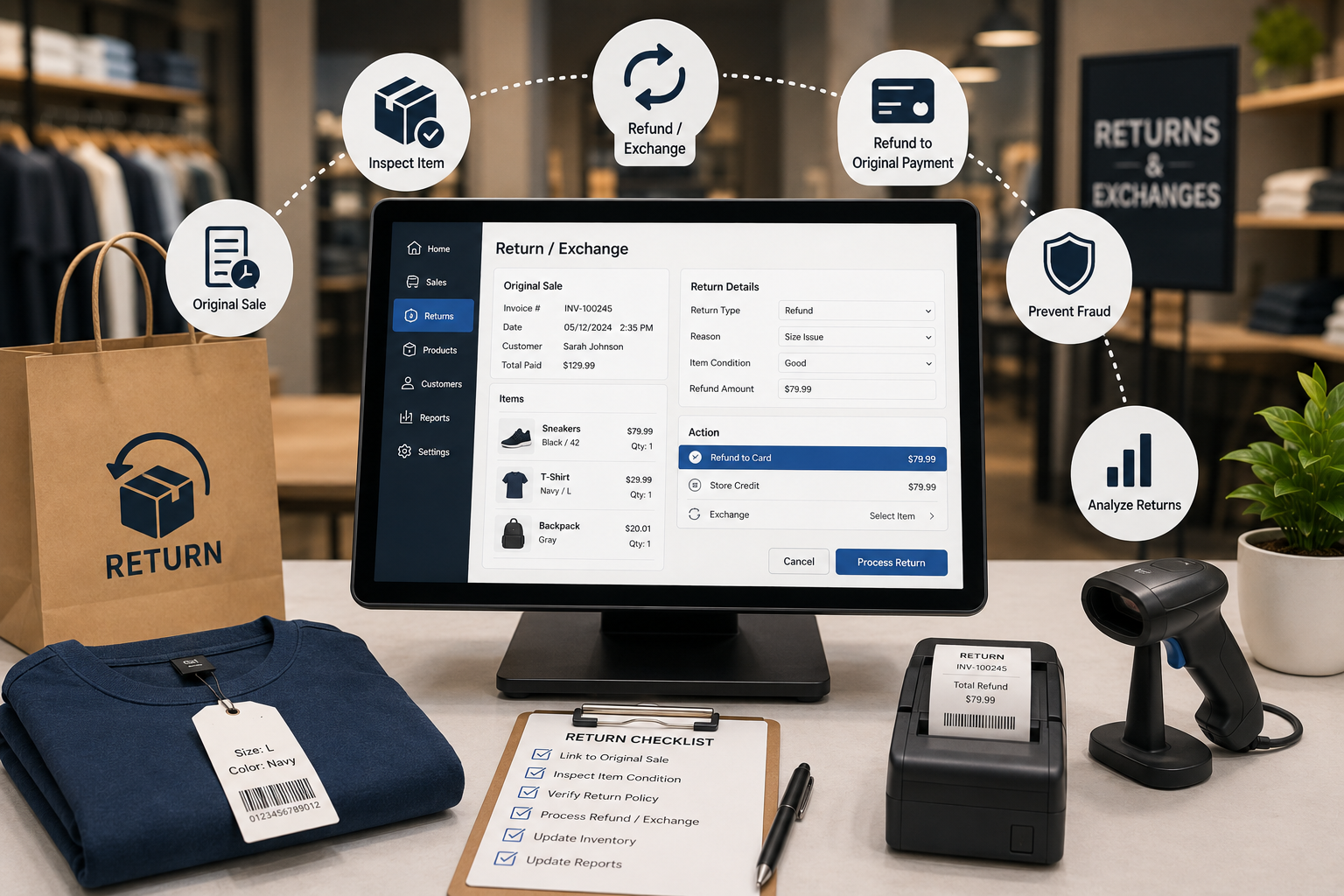
A Return Is Not a Sale in Reverse: How POS Systems Handle Refunds, Exchanges, Restocking, and Return Fraud

A Return Is Not a Sale in Reverse: How POS Systems Handle Refunds, Exchanges, Restocking, and Return Fraud

Returns affect cash, margin, inventory, tax, customer trust, and fraud exposure. Learn how a modern POS should connect every refund or exchange to the original sale, inspect product condition, control approvals, and keep stock accurate.

Read article
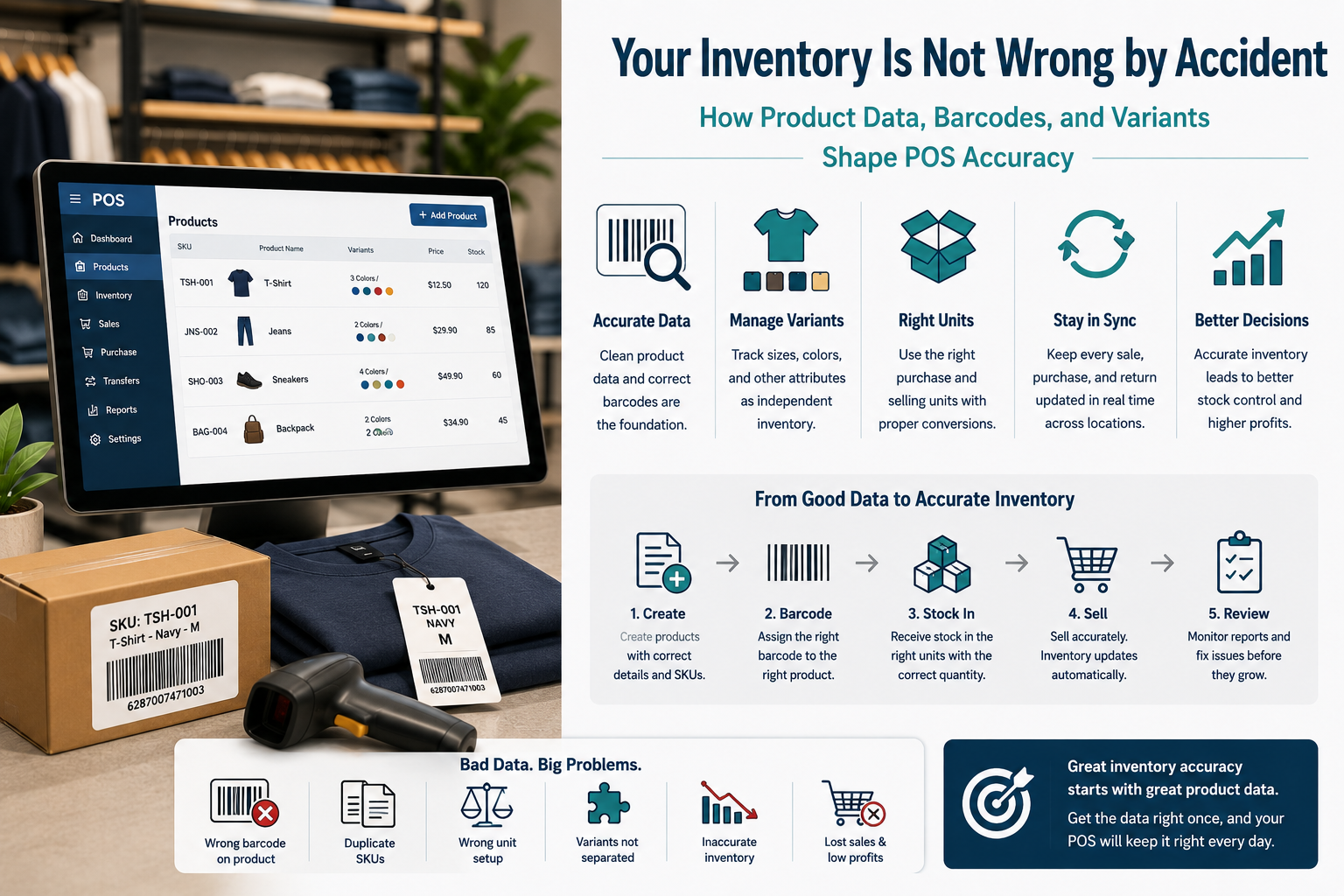
Your Inventory Is Not Wrong by Accident: How Product Data, Barcodes, and Variants Shape POS Accuracy

Your Inventory Is Not Wrong by Accident: How Product Data, Barcodes, and Variants Shape POS Accuracy

Inventory problems often begin before a sale happens. Learn how duplicate SKUs, shared barcodes, wrong units, poorly designed variants, pack sizes, and inconsistent product data create stock errors—and how a modern POS can prevent them.

Read article
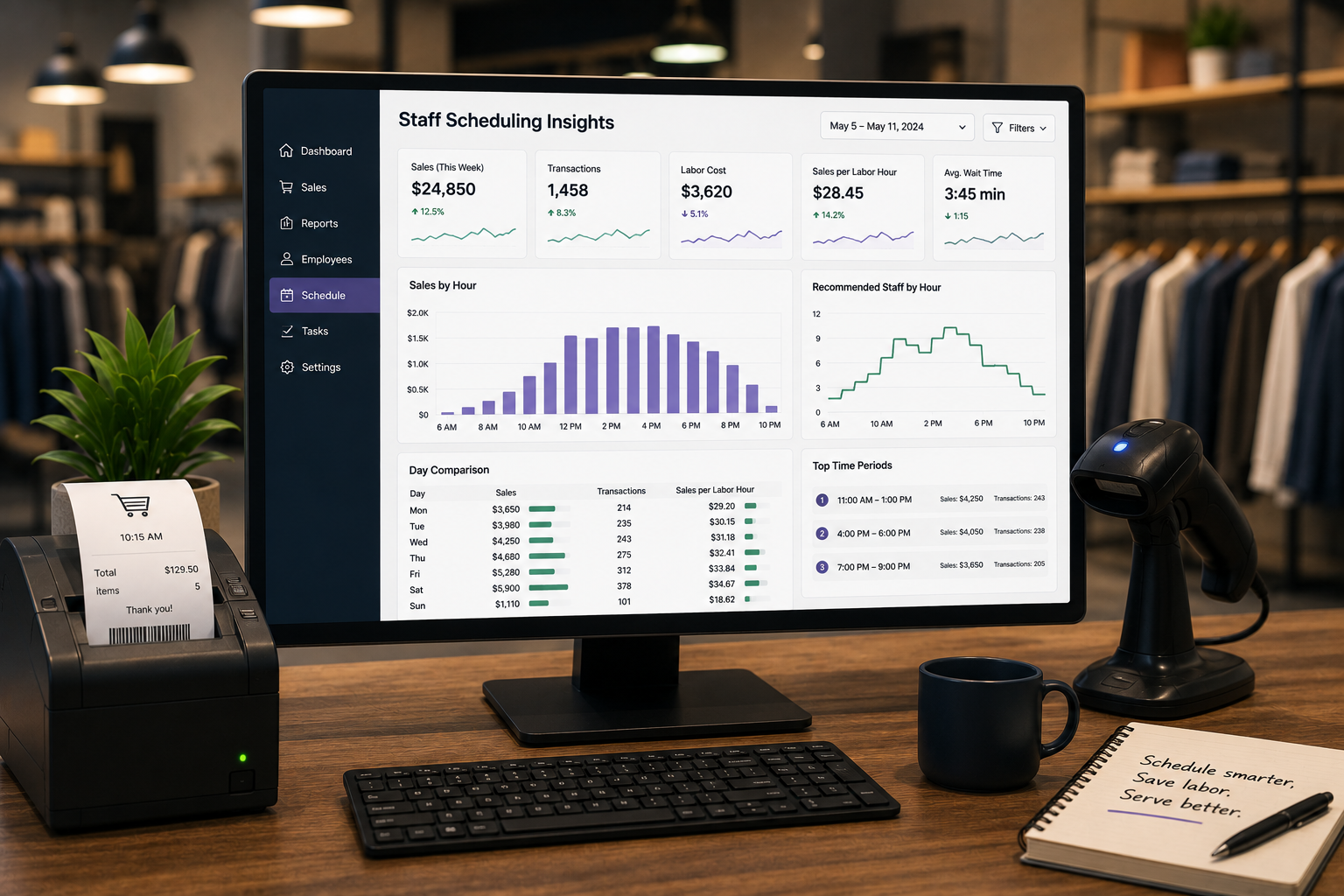
Your Store Is Not Understaffed All Day: How POS Data Helps Schedule the Right People at the Right Time

Your Store Is Not Understaffed All Day: How POS Data Helps Schedule the Right People at the Right Time

Retail staffing problems are often timing problems. Learn how POS sales patterns, transaction volume, basket complexity, returns, receiving, and service demand can improve schedules without cutting service or exhausting employees.

Read article
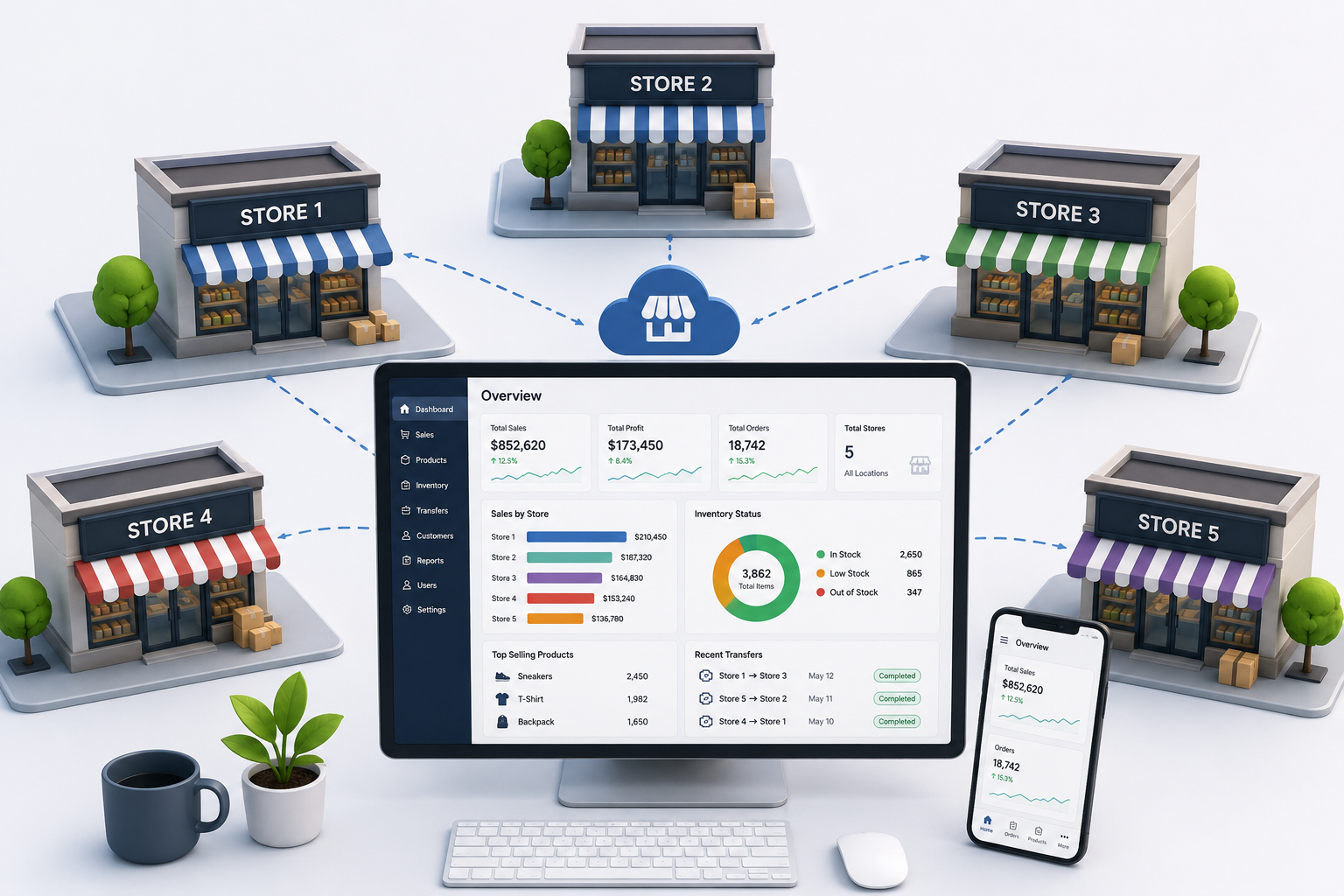
One Brand, Five Stores, Five Different Realities: How a Multi-Location POS Keeps Retail Under Control

One Brand, Five Stores, Five Different Realities: How a Multi-Location POS Keeps Retail Under Control

Opening another branch creates more than another checkout counter. Learn how a multi-location POS should control inventory, pricing, permissions, transfers, reporting, customers, and daily operations without turning every store into a separate business.

Read article
A New POS Can Fail Before the First Sale: The Real Work Behind a Smooth Retail Rollout

A New POS Can Fail Before the First Sale: The Real Work Behind a Smooth Retail Rollout

Buying POS software is the easy part. This guide explains how retailers should clean data, map workflows, train staff, test hardware, migrate products, plan go-live, and measure adoption without disrupting daily sales.

Read article
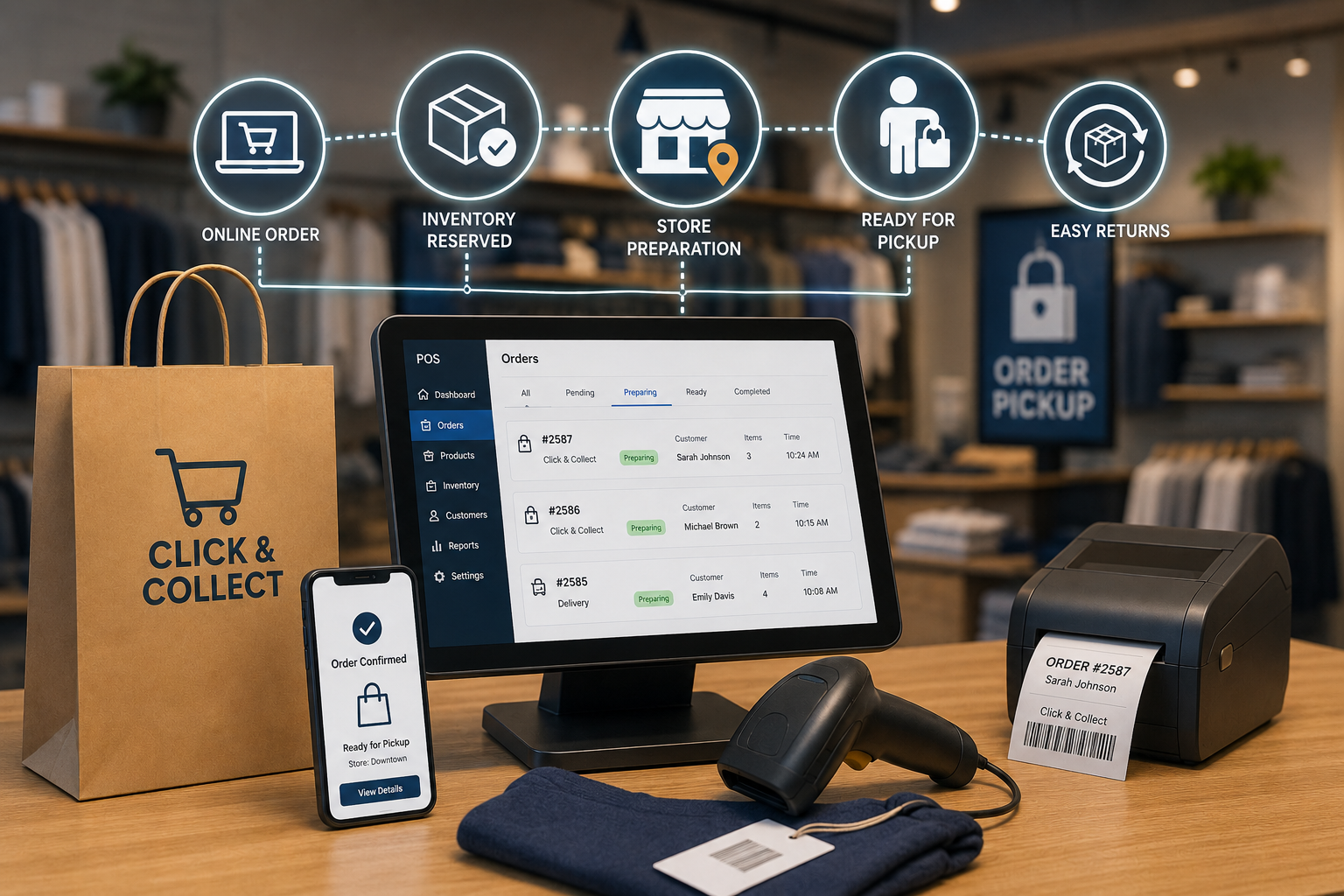
The Customer Bought Online—Is Your Store Ready? How POS Powers Click & Collect and Unified Commerce in 2026

The Customer Bought Online—Is Your Store Ready? How POS Powers Click & Collect and Unified Commerce in 2026

A practical guide to connecting POS, online orders, inventory, branches, pickup, returns, and customer data so retailers can deliver reliable click-and-collect and unified commerce experiences.

Read article
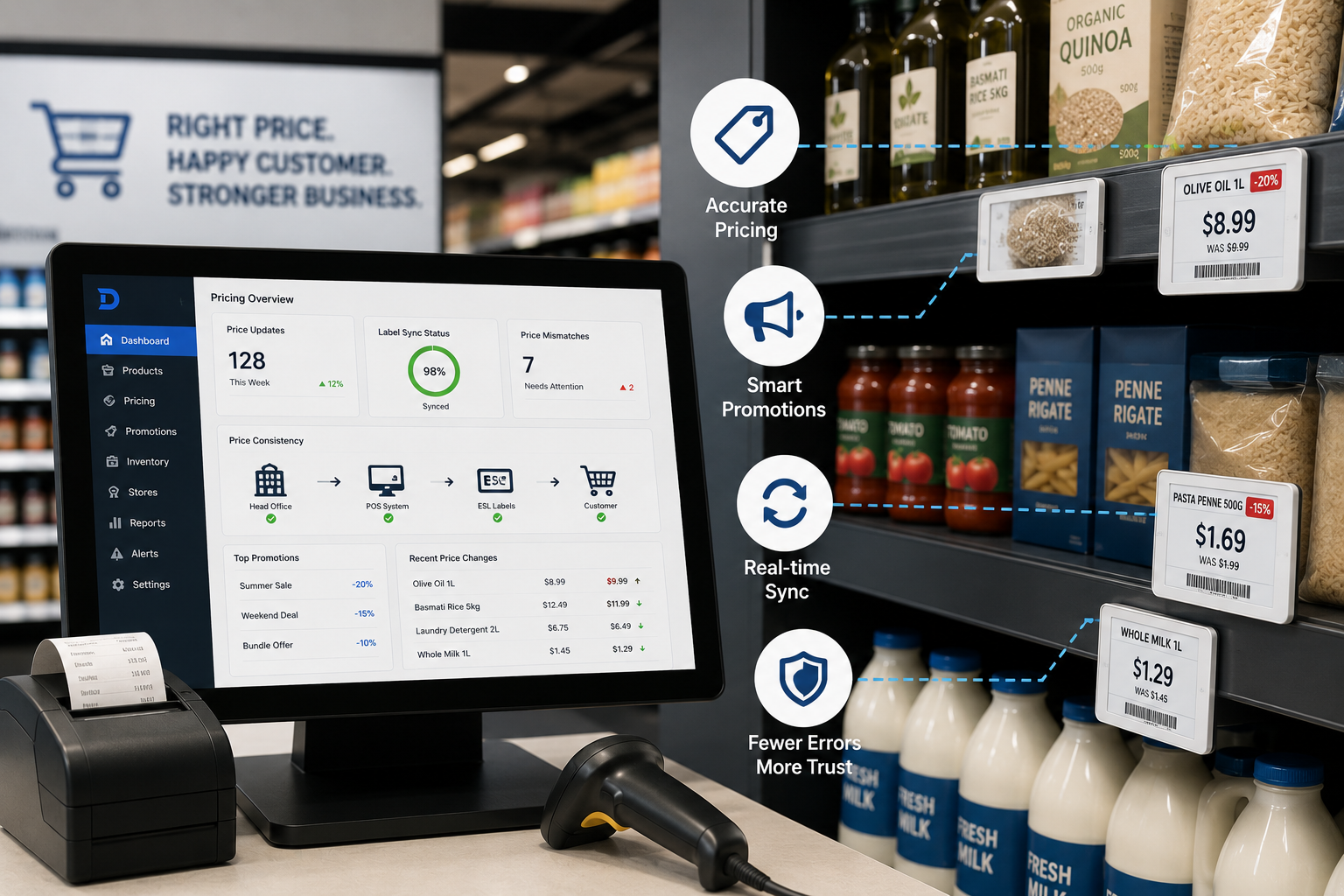
The Price on the Shelf Must Match the Price at Checkout: How POS Systems Fix Pricing and Promotion Errors in 2026

The Price on the Shelf Must Match the Price at Checkout: How POS Systems Fix Pricing and Promotion Errors in 2026

A practical guide to connecting POS pricing, promotions, inventory, and electronic shelf labels so retailers reduce checkout disputes, protect margins, and keep customer trust.

Read article
PreviousPage 2 / 3Next