Blog

Dashierly articles

Practical content to improve sales, store operations, and customer experience.

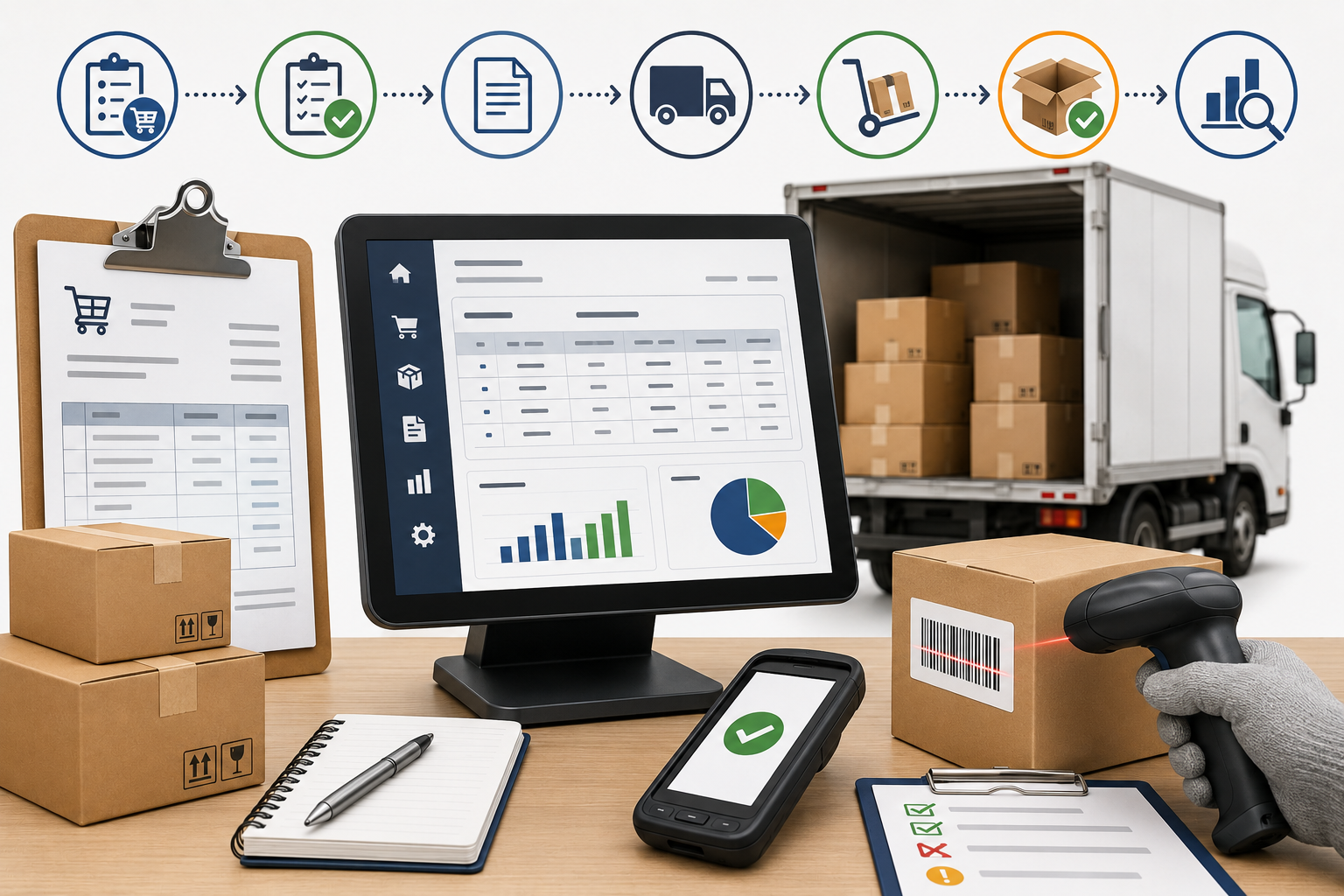
The System Shows 18 Units, but the Shelf Has 11: How POS Cycle Counts Reveal Inventory Shrinkage

The System Shows 18 Units, but the Shelf Has 11: How POS Cycle Counts Reveal Inventory Shrinkage

Inventory differences do not always mean theft. They can come from receiving mistakes, wrong units, unrecorded damage, transfer errors, returns, barcode problems, and delayed transactions. Learn how a modern POS should plan cycle counts, freeze evidence, approve adjustments, and investigate recurring shrinkage.

Read article

The Internet Went Down During the Rush—Can Your POS Keep Selling Without Losing Data?

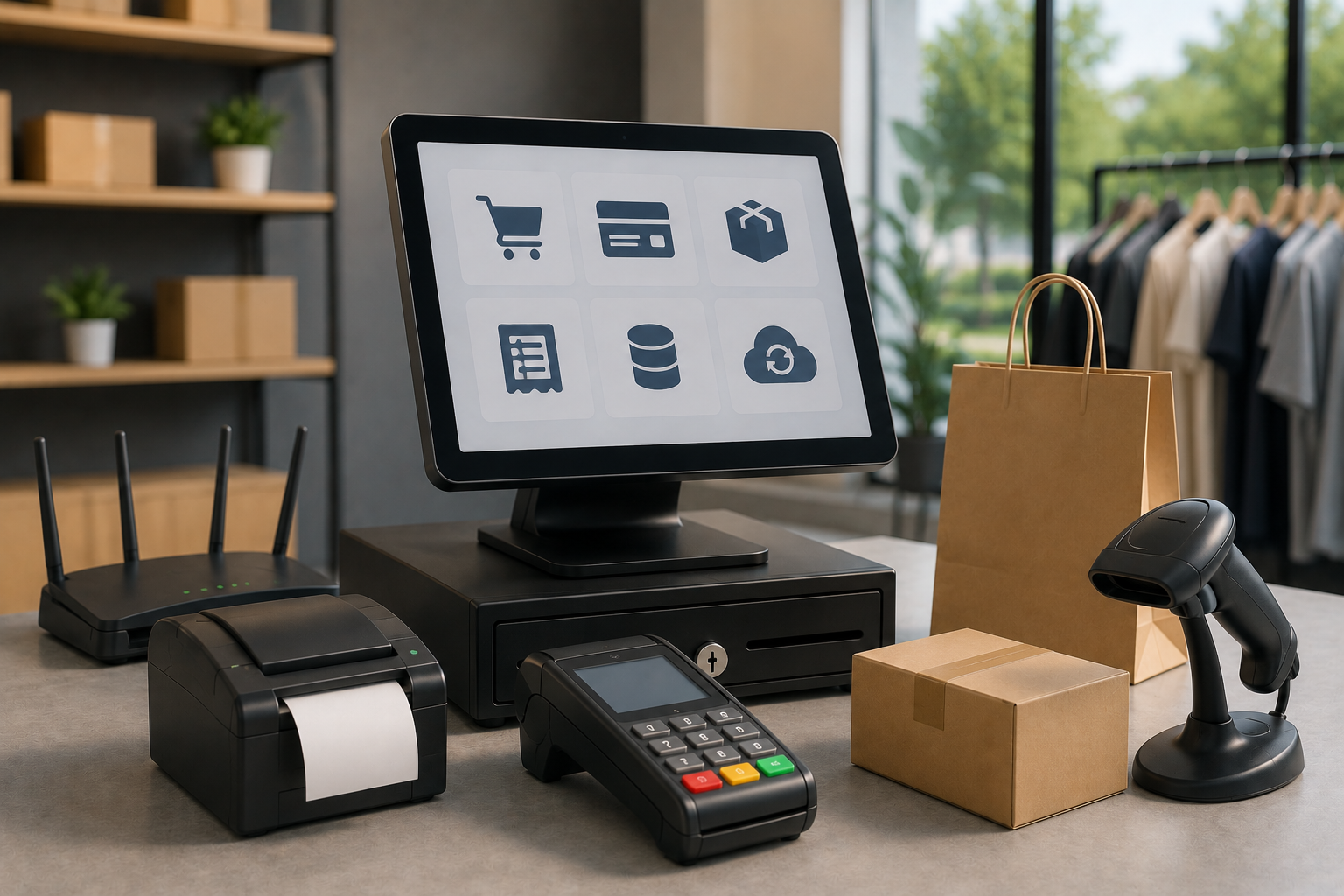
The Internet Went Down During the Rush—Can Your POS Keep Selling Without Losing Data?

An internet outage should not force a store to stop trading, duplicate sales, lose payments, or corrupt inventory. Learn how a modern POS should handle offline transactions, local device storage, payment limits, receipt numbering, stock conflicts, delayed sync, and recovery testing.

Read article
The Customer Has No Receipt—Should You Still Accept the Return? How POS Systems Reduce Return Fraud Without Punishing Honest Shoppers

The Customer Has No Receipt—Should You Still Accept the Return? How POS Systems Reduce Return Fraud Without Punishing Honest Shoppers

Receipt-less returns, exchanges, damaged goods, gift purchases, and online orders create difficult decisions at the counter. Learn how a modern POS can verify purchases, apply fair policies, control refunds, detect suspicious patterns, and preserve a smooth customer experience.

Read article
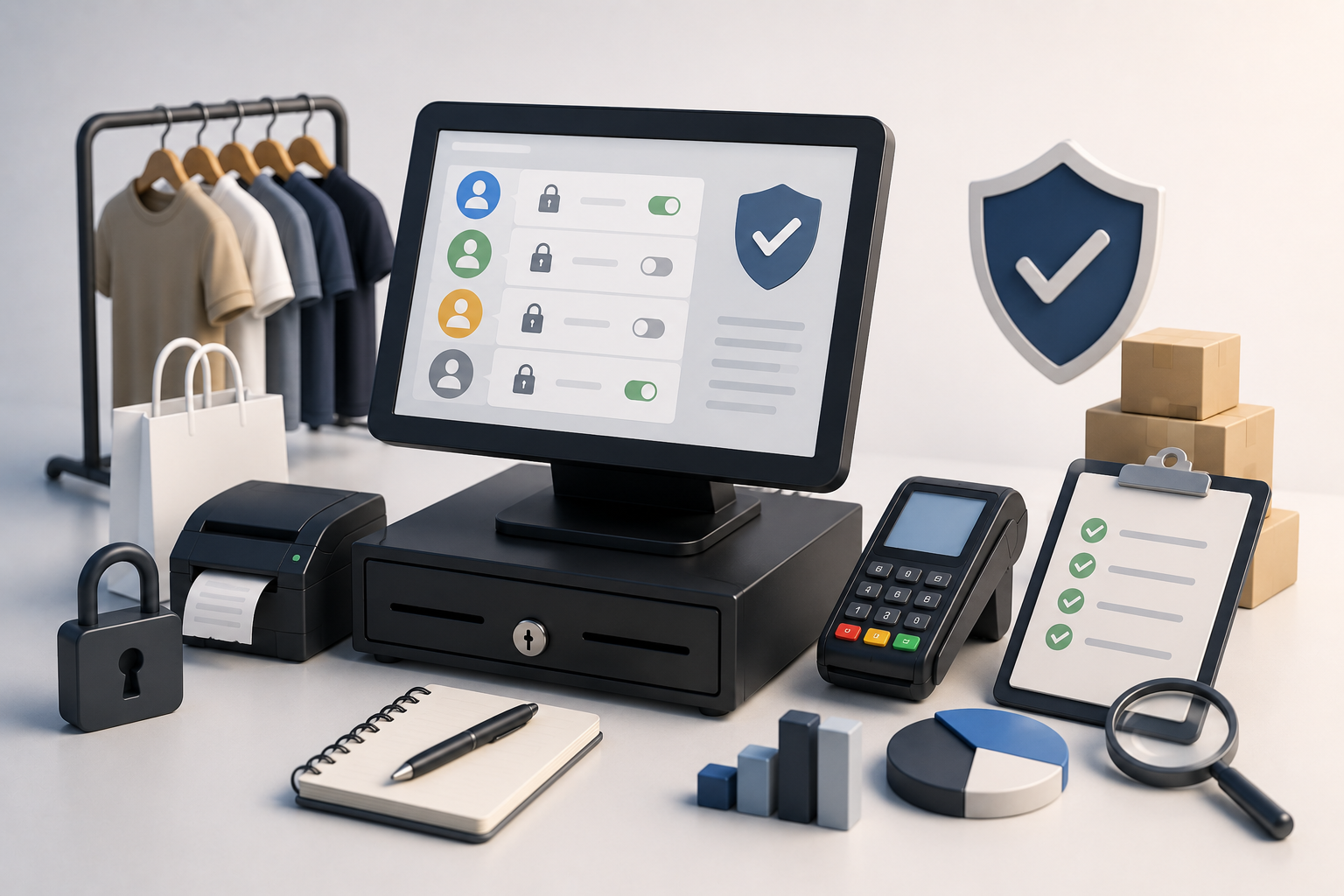
A Refund Was Approved at 2:13 AM—Who Did It and Why? How POS Permissions and Audit Logs Protect Retail Operations

A Refund Was Approved at 2:13 AM—Who Did It and Why? How POS Permissions and Audit Logs Protect Retail Operations

Retail risk often begins with ordinary actions performed by the wrong person: discounts, refunds, voids, price changes, cash adjustments, exports, and permission edits. Learn how a modern POS should use role-based access, manager approvals, secure PINs, device controls, and audit trails without slowing down trusted staff.

Read article
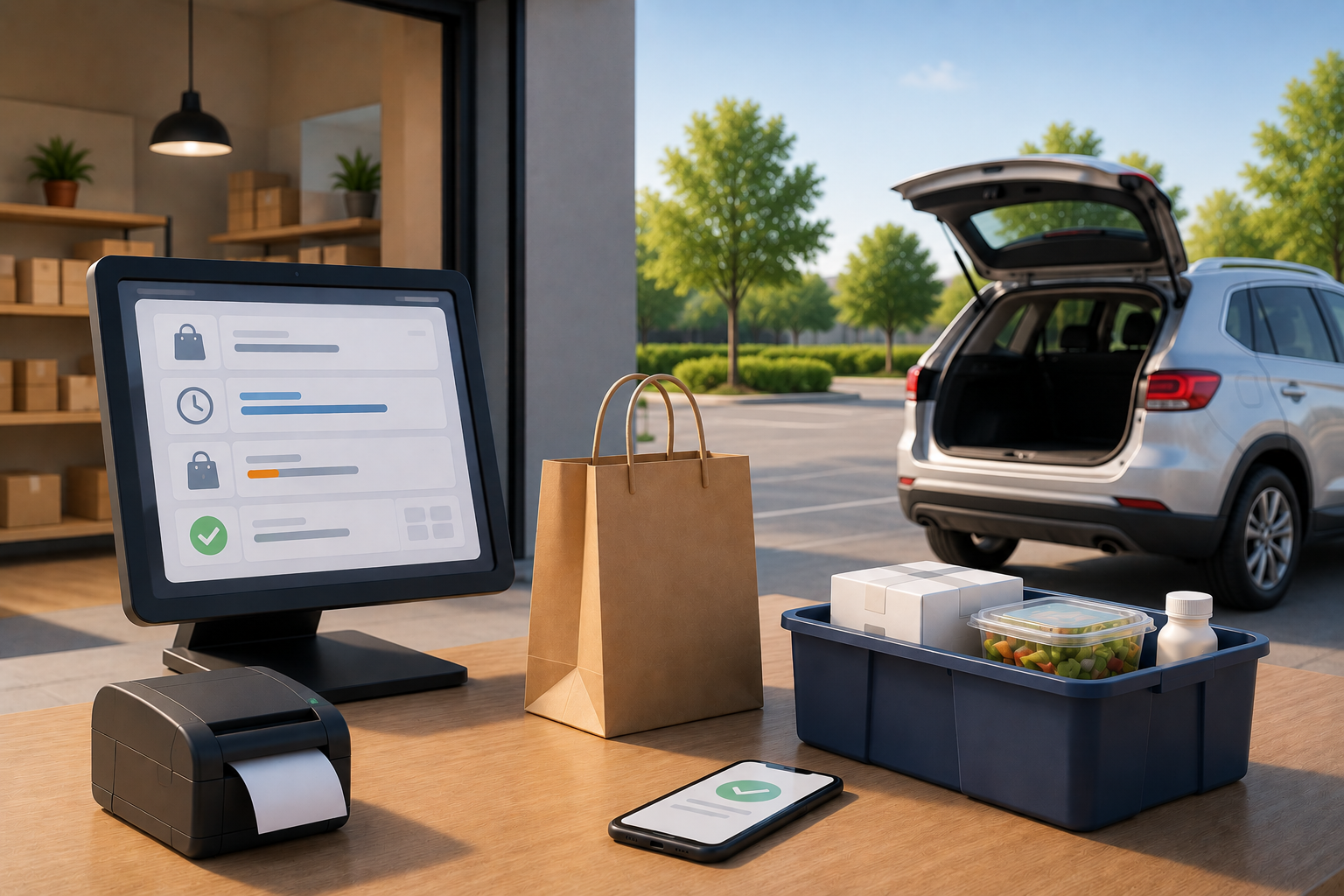
The Customer Is Coming in 20 Minutes—Is the Order Really Ready? How POS Systems Should Manage Click and Collect

The Customer Is Coming in 20 Minutes—Is the Order Really Ready? How POS Systems Should Manage Click and Collect

Click and collect promises convenience, but it can fail when inventory is not reserved, picking is delayed, substitutions are unclear, or orders are marked ready too early. Learn how a modern POS should coordinate online orders, store stock, picking, customer notifications, pickup verification, and returns.

Read article
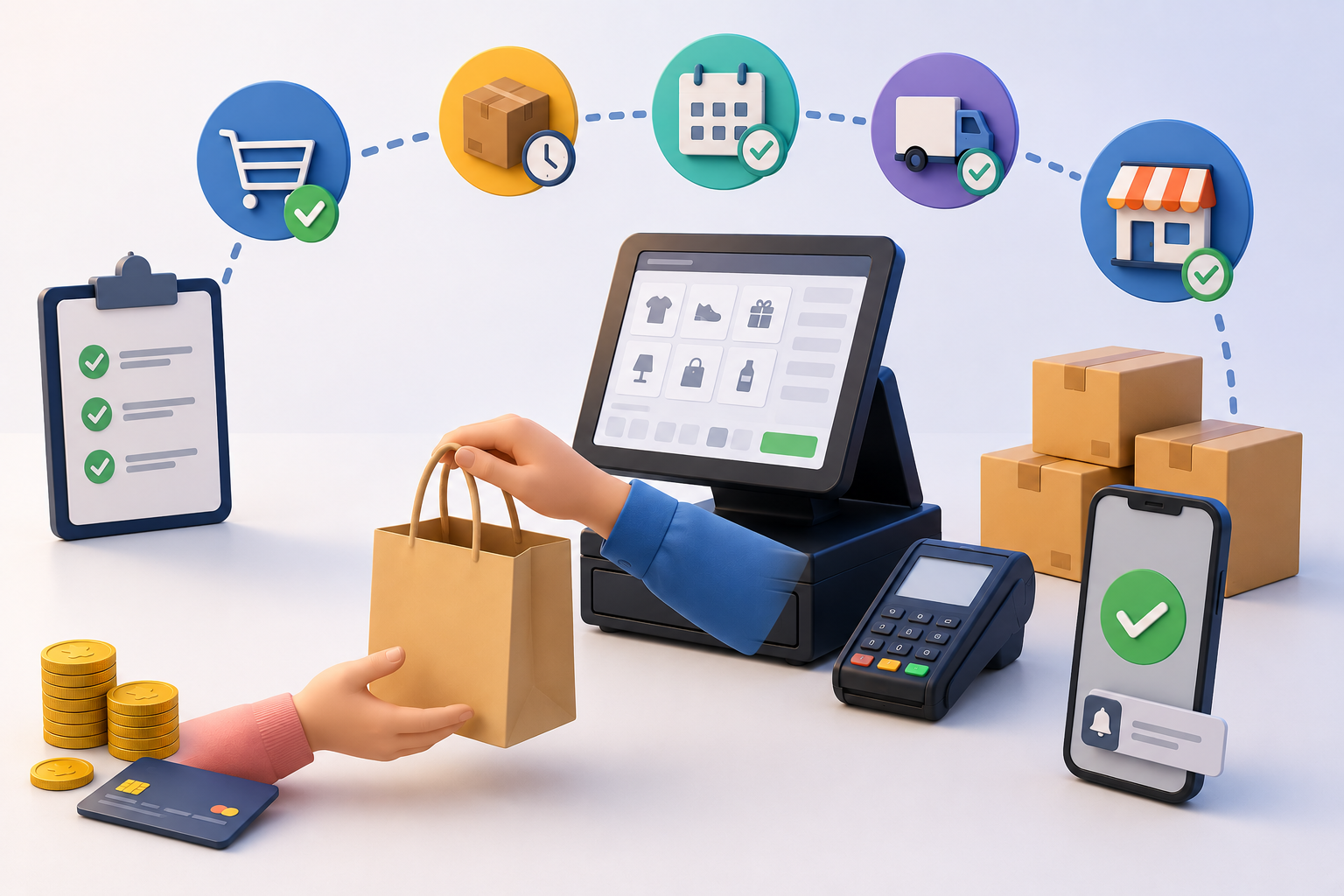
The Customer Paid a Deposit, but the Sale Is Not Finished: How POS Systems Should Manage Preorders, Layaway, and Partial Payments

The Customer Paid a Deposit, but the Sale Is Not Finished: How POS Systems Should Manage Preorders, Layaway, and Partial Payments

Deposits, preorders, layaway, special orders, and partial payments can secure demand and improve cash flow—but only when inventory, customer balances, due dates, refunds, and accounting stay connected. Learn how a modern POS should manage the entire order lifecycle.

Read article
Your POS Can Recommend the Next Move—But Should It Make the Decision? A Practical Guide to AI in Retail Operations

Your POS Can Recommend the Next Move—But Should It Make the Decision? A Practical Guide to AI in Retail Operations

AI is moving from dashboards into daily retail decisions: forecasting demand, suggesting reorders, detecting anomalies, predicting churn, and summarizing performance. Learn where AI adds value, where human approval still matters, and how to build reliable controls around an intelligent POS.

Read article
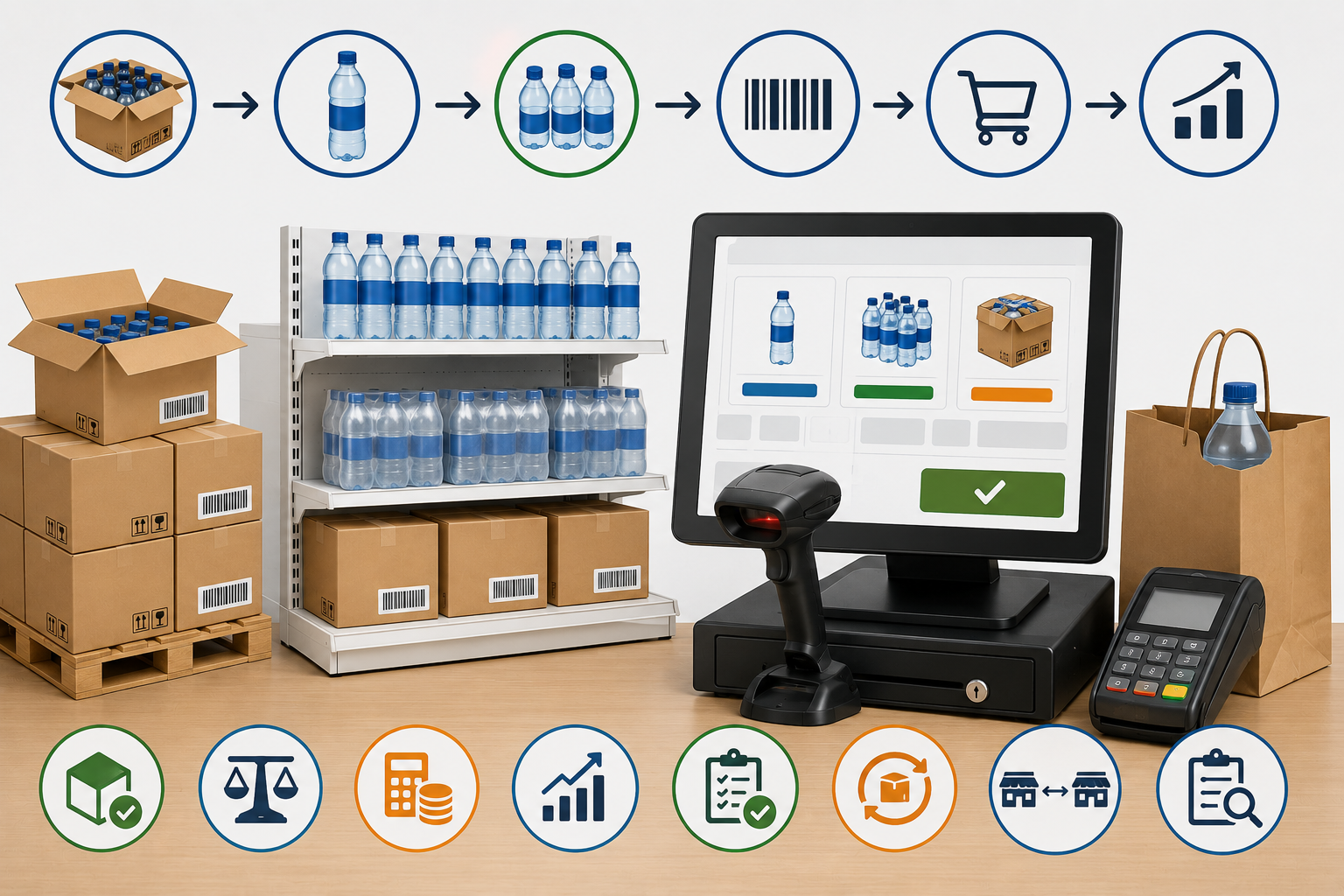
You Bought a Case of 24 but Sold One Bottle: How POS Units of Measure Prevent Inventory and Pricing Errors

You Bought a Case of 24 but Sold One Bottle: How POS Units of Measure Prevent Inventory and Pricing Errors

Retailers often buy products by case, receive them by pack, and sell them individually. Learn how POS unit-of-measure rules, barcode mapping, cost conversion, stock counts, returns, and purchasing controls prevent quantity and margin errors.

Read article
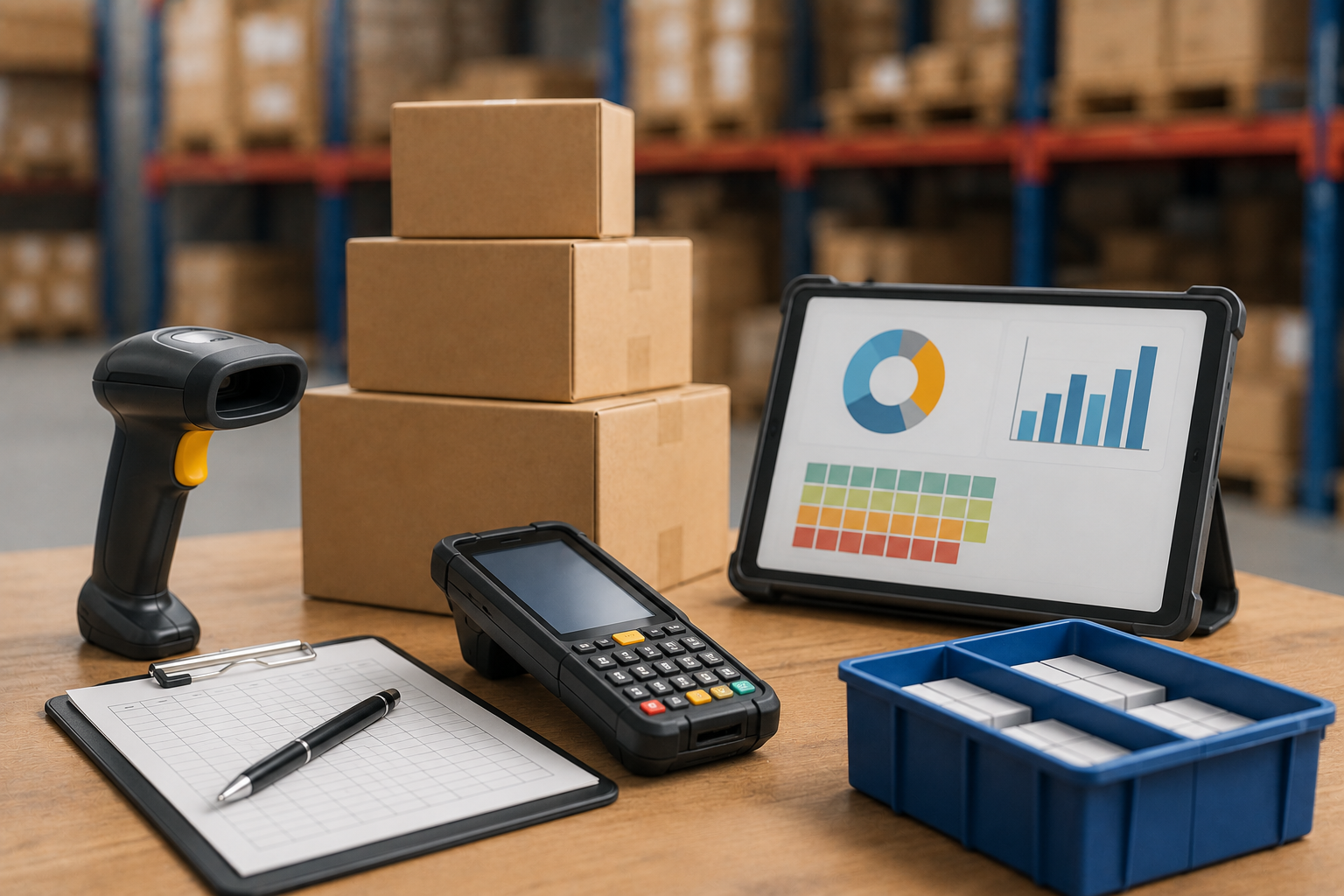
You Ordered 100 Units, but Only 92 Arrived: How POS Purchase Orders Prevent Supplier and Receiving Errors

You Ordered 100 Units, but Only 92 Arrived: How POS Purchase Orders Prevent Supplier and Receiving Errors

Purchase orders should connect planned buying with what physically arrives. Learn how a modern POS handles approvals, partial deliveries, damaged goods, substitutions, cost changes, backorders, supplier claims, and inventory updates without hiding discrepancies.

Read article
PreviousPage 1 / 4Next