Blog

Dashierly articles

Practical content to improve sales, store operations, and customer experience.

The Internet Went Down During the Rush—Can Your POS Keep Selling Without Losing Data?

The Internet Went Down During the Rush—Can Your POS Keep Selling Without Losing Data?

An internet outage should not force a store to stop trading, duplicate sales, lose payments, or corrupt inventory. Learn how a modern POS should handle offline transactions, local device storage, payment limits, receipt numbering, stock conflicts, delayed sync, and recovery testing.

Read article


Customers Earn Points Today—but Who Pays for Them Tomorrow? How POS Loyalty Programs Protect Margin and Trust

Customers Earn Points Today—but Who Pays for Them Tomorrow? How POS Loyalty Programs Protect Margin and Trust

Loyalty points can increase repeat visits, but weak rules create hidden liabilities, discount abuse, duplicate accounts, refund loopholes, and confusing customer balances. Learn how a modern POS should earn, redeem, expire, reverse, secure, and measure rewards.

Read article
The Customer Has No Receipt—Should You Still Accept the Return? How POS Systems Reduce Return Fraud Without Punishing Honest Shoppers

The Customer Has No Receipt—Should You Still Accept the Return? How POS Systems Reduce Return Fraud Without Punishing Honest Shoppers

Receipt-less returns, exchanges, damaged goods, gift purchases, and online orders create difficult decisions at the counter. Learn how a modern POS can verify purchases, apply fair policies, control refunds, detect suspicious patterns, and preserve a smooth customer experience.

Read article
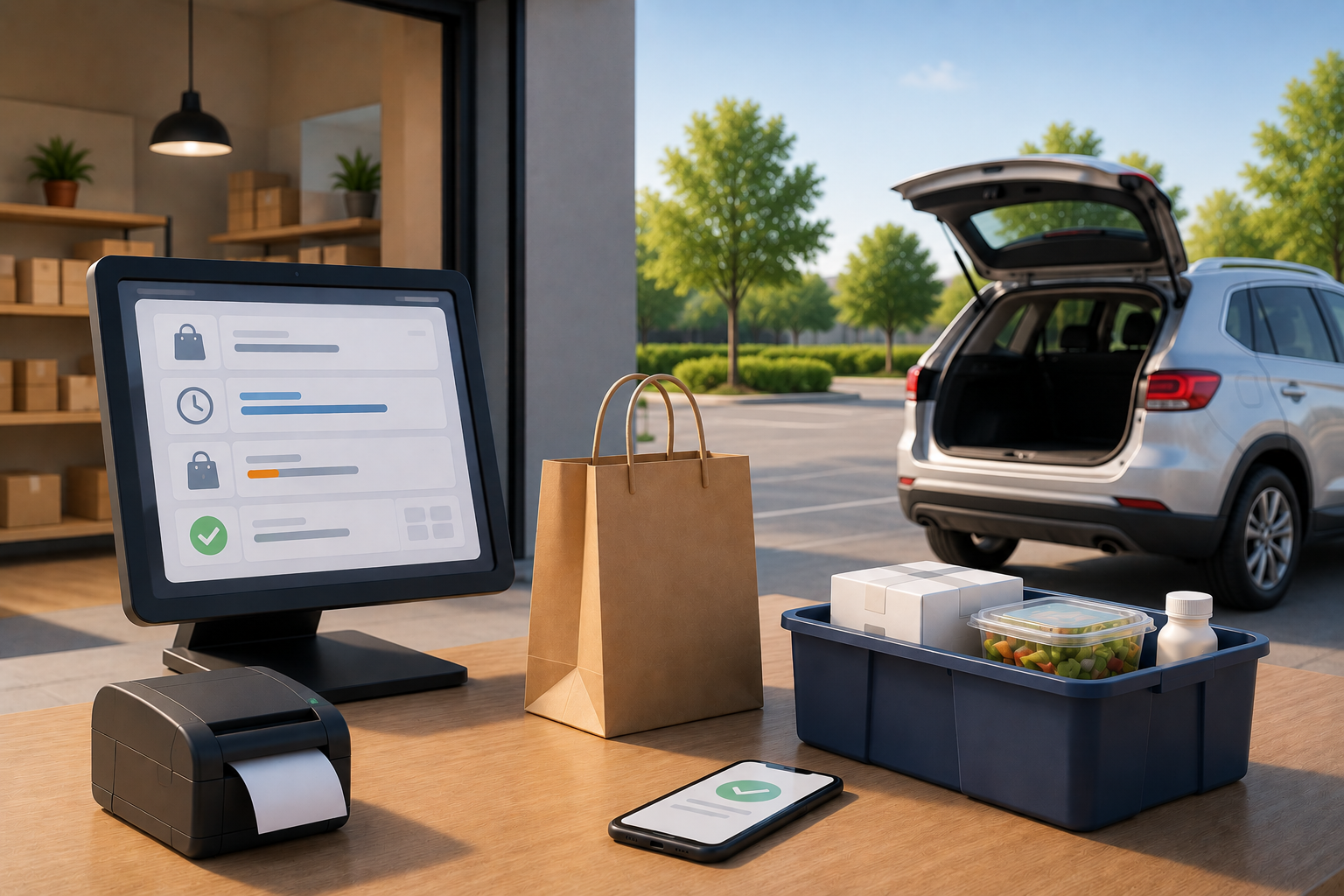
The Customer Is Coming in 20 Minutes—Is the Order Really Ready? How POS Systems Should Manage Click and Collect

The Customer Is Coming in 20 Minutes—Is the Order Really Ready? How POS Systems Should Manage Click and Collect

Click and collect promises convenience, but it can fail when inventory is not reserved, picking is delayed, substitutions are unclear, or orders are marked ready too early. Learn how a modern POS should coordinate online orders, store stock, picking, customer notifications, pickup verification, and returns.

Read article
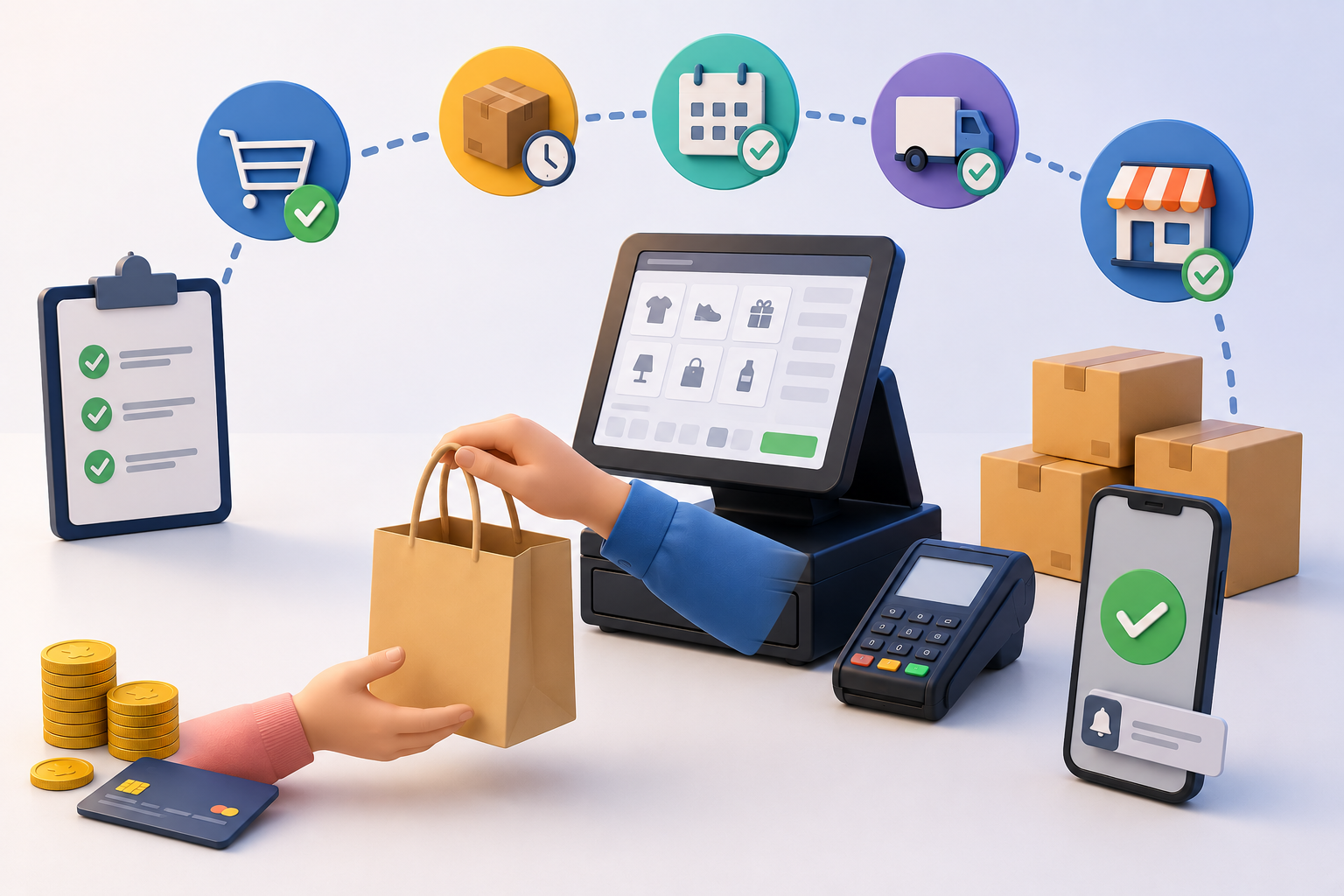
The Customer Paid a Deposit, but the Sale Is Not Finished: How POS Systems Should Manage Preorders, Layaway, and Partial Payments

The Customer Paid a Deposit, but the Sale Is Not Finished: How POS Systems Should Manage Preorders, Layaway, and Partial Payments

Deposits, preorders, layaway, special orders, and partial payments can secure demand and improve cash flow—but only when inventory, customer balances, due dates, refunds, and accounting stay connected. Learn how a modern POS should manage the entire order lifecycle.

Read article
Your POS Can Recommend the Next Move—But Should It Make the Decision? A Practical Guide to AI in Retail Operations

Your POS Can Recommend the Next Move—But Should It Make the Decision? A Practical Guide to AI in Retail Operations

AI is moving from dashboards into daily retail decisions: forecasting demand, suggesting reorders, detecting anomalies, predicting churn, and summarizing performance. Learn where AI adds value, where human approval still matters, and how to build reliable controls around an intelligent POS.

Read article
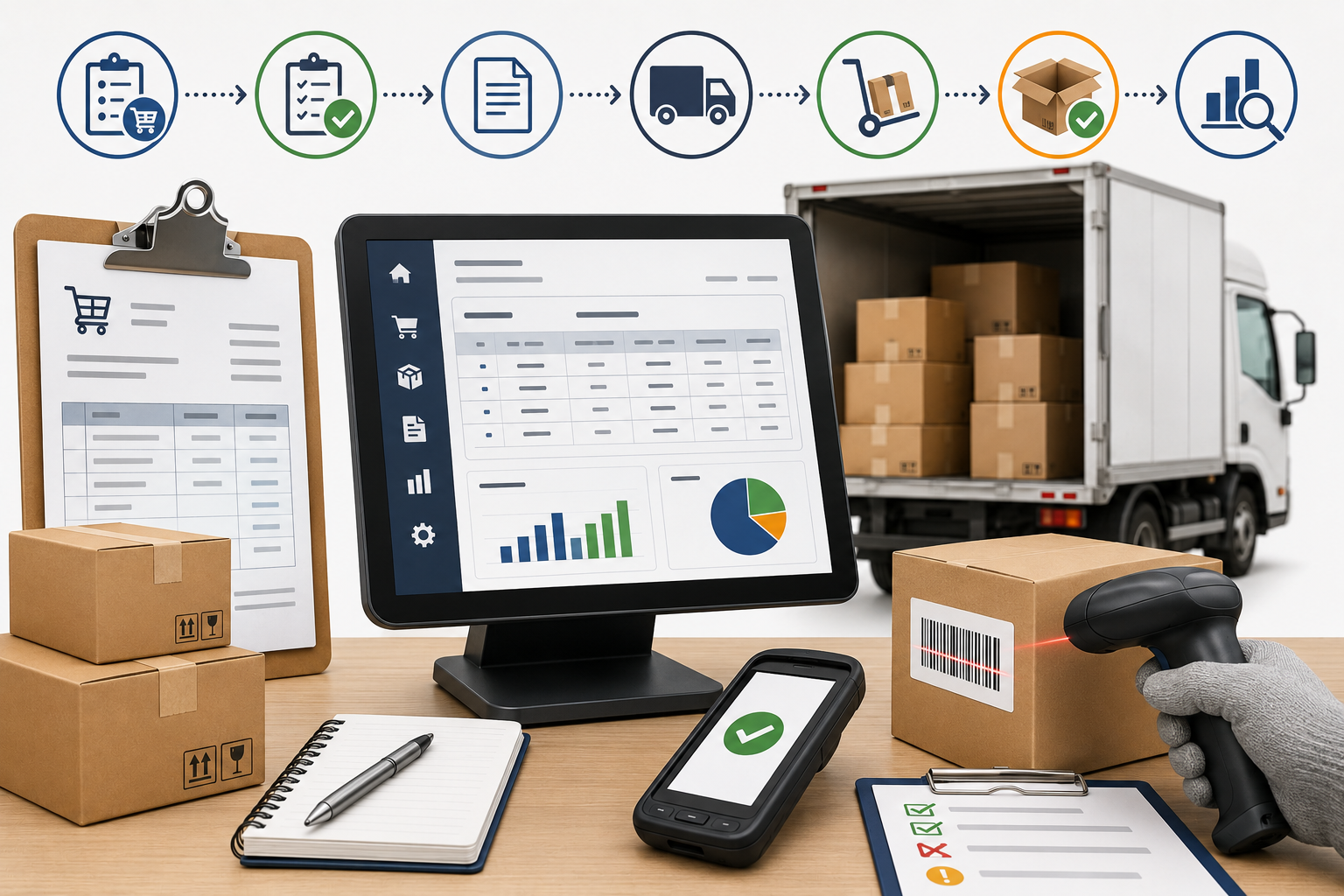
You Ordered 100 Units, but Only 92 Arrived: How POS Purchase Orders Prevent Supplier and Receiving Errors

You Ordered 100 Units, but Only 92 Arrived: How POS Purchase Orders Prevent Supplier and Receiving Errors

Purchase orders should connect planned buying with what physically arrives. Learn how a modern POS handles approvals, partial deliveries, damaged goods, substitutions, cost changes, backorders, supplier claims, and inventory updates without hiding discrepancies.

Read article
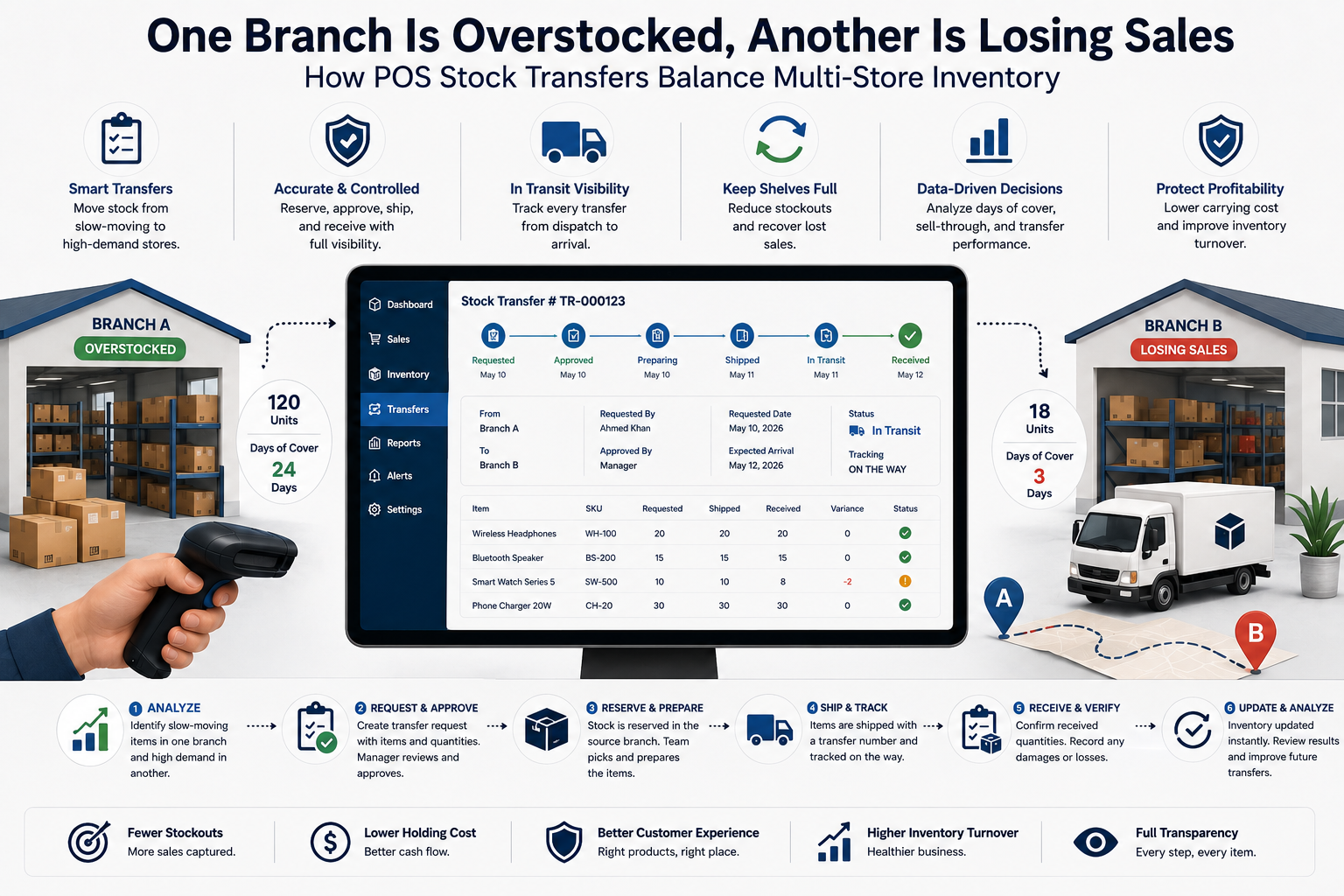
One Branch Is Overstocked, Another Is Losing Sales: How POS Stock Transfers Balance Multi-Store Inventory

One Branch Is Overstocked, Another Is Losing Sales: How POS Stock Transfers Balance Multi-Store Inventory

Moving stock between branches looks simple, but poor transfer control creates phantom inventory, duplicate availability, missing cartons, delayed receiving, and unreliable reports. Learn how a modern POS should request, ship, receive, reconcile, and analyze inter-branch transfers.

Read article
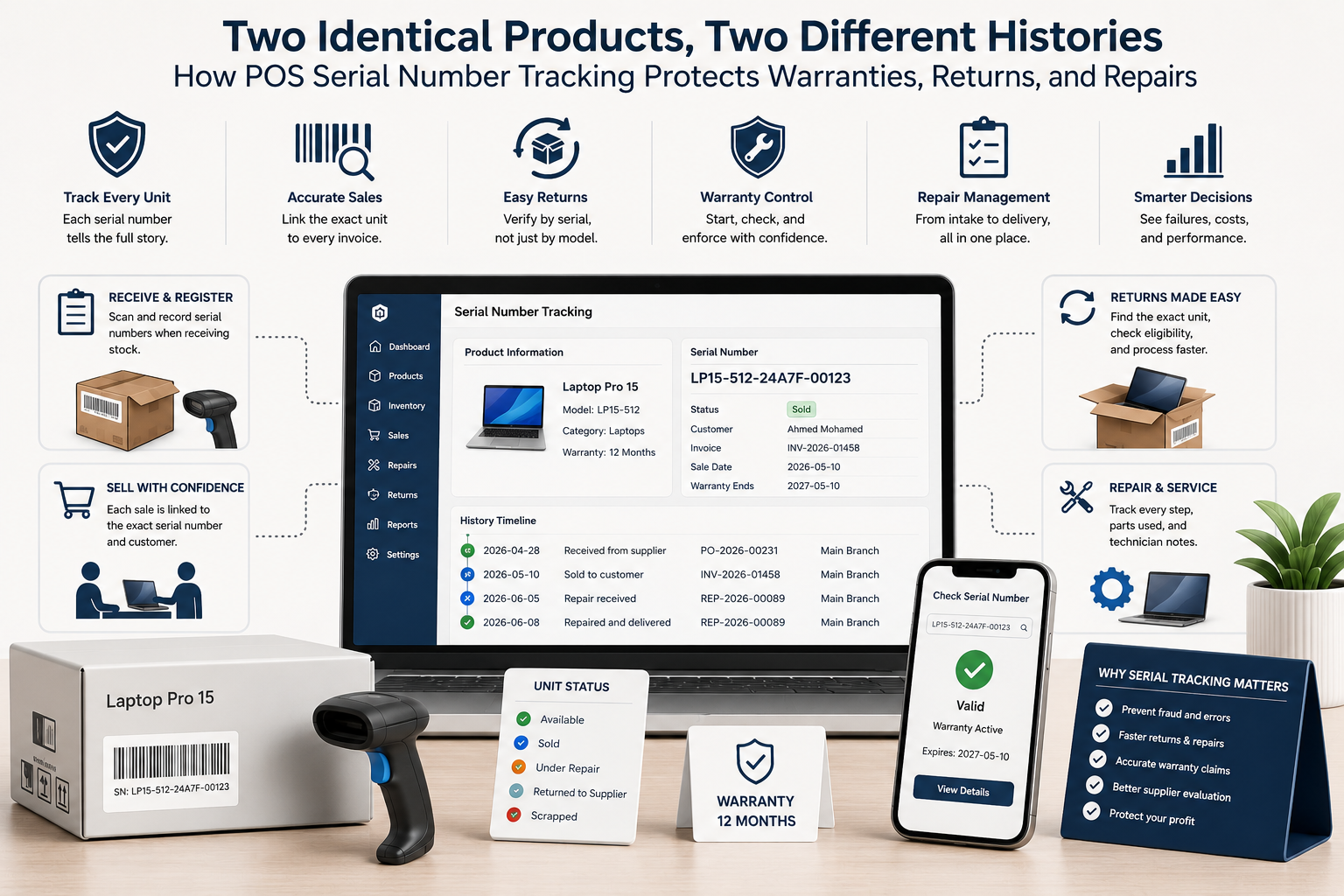
Two Identical Products, Two Different Histories: How POS Serial Number Tracking Protects Warranties, Returns, and Repairs

Two Identical Products, Two Different Histories: How POS Serial Number Tracking Protects Warranties, Returns, and Repairs

Quantity tracking tells you how many units exist. Serial tracking tells you exactly which unit was received, sold, returned, repaired, replaced, or still covered by warranty. Learn how a modern POS should manage serialized inventory from supplier receipt to after-sales service.

Read article
PreviousPage 1 / 2Next