Blog

Dashierly articles

Practical content to improve sales, store operations, and customer experience.

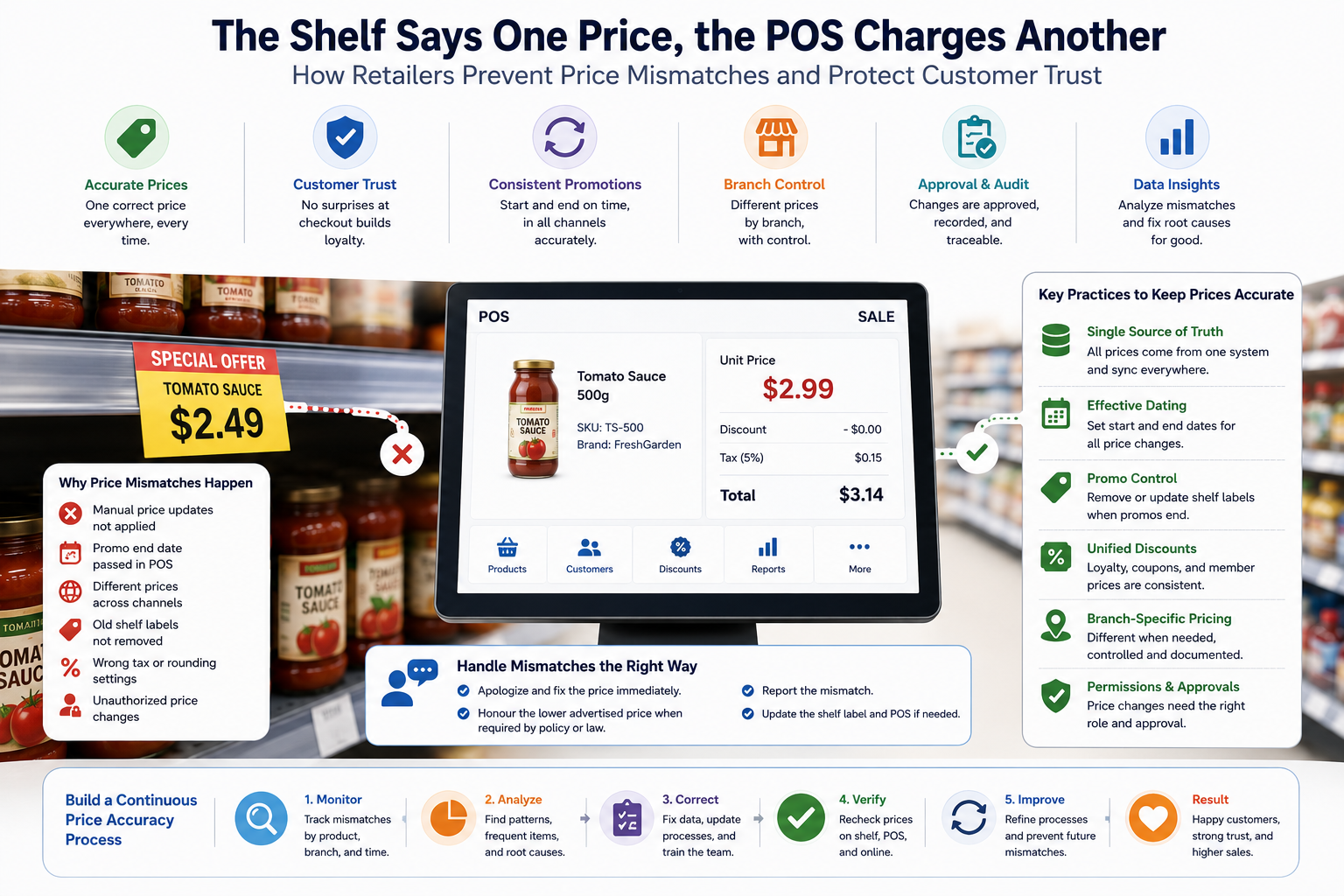
The Shelf Says One Price, the POS Charges Another: How Retailers Prevent Price Mismatches and Protect Customer Trust

The Shelf Says One Price, the POS Charges Another: How Retailers Prevent Price Mismatches and Protect Customer Trust

Price mismatches are more than an awkward checkout moment. They create refunds, complaints, margin leakage, regulatory risk, and lost trust. Learn how a modern POS should synchronize price lists, shelf labels, promotions, branches, taxes, and approvals.

Read article
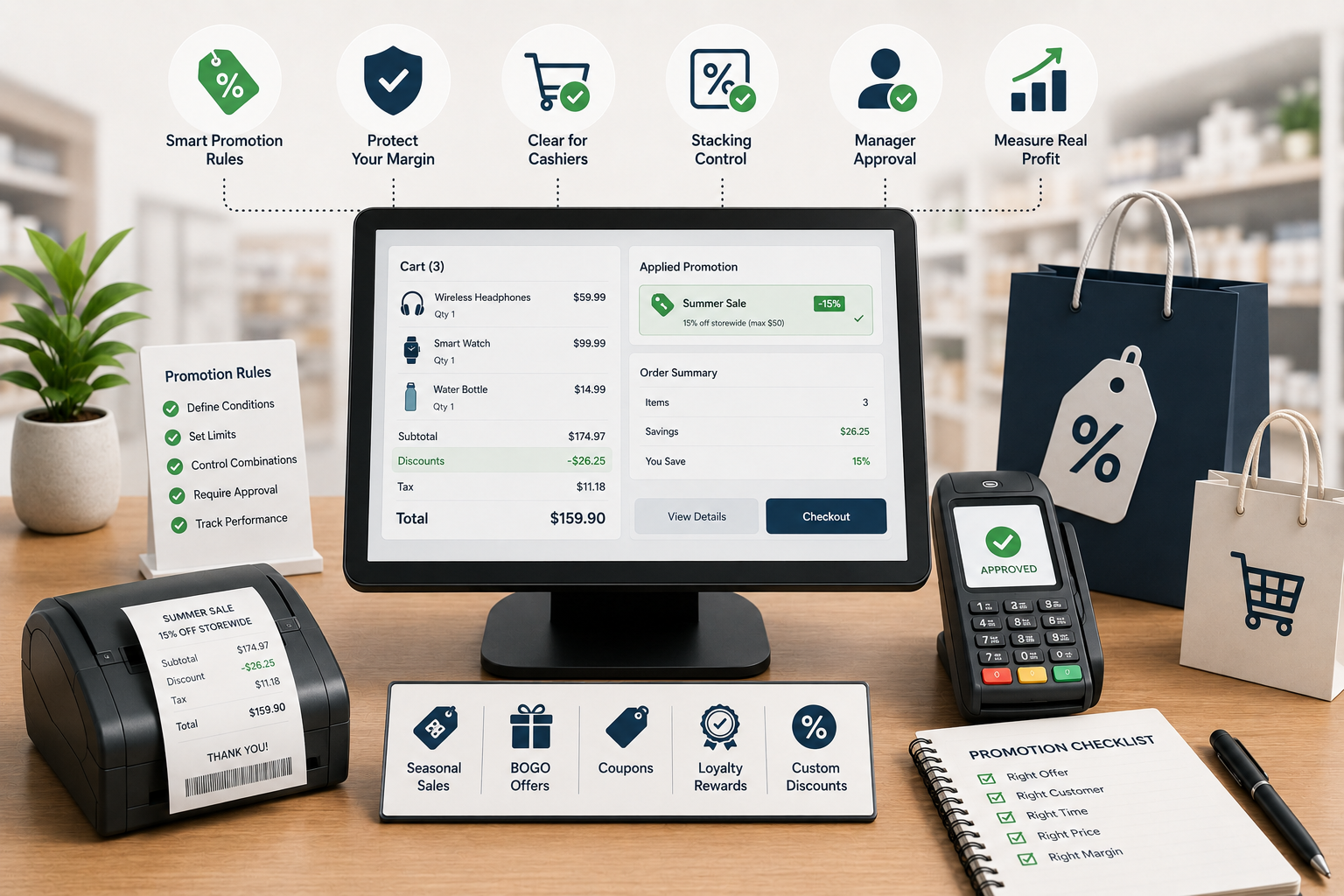
The Discount Worked—But Did the Store Make Money? How POS Promotion Rules Protect Retail Margin

The Discount Worked—But Did the Store Make Money? How POS Promotion Rules Protect Retail Margin

Promotions can increase traffic while quietly damaging margin through discount stacking, wrong eligibility, cashier overrides, returns, and weak reporting. Learn how a modern POS should control offers from setup to post-campaign analysis.

Read article
Who Changed the Price? How POS Permissions and Audit Trails Protect Retail Operations

Who Changed the Price? How POS Permissions and Audit Trails Protect Retail Operations

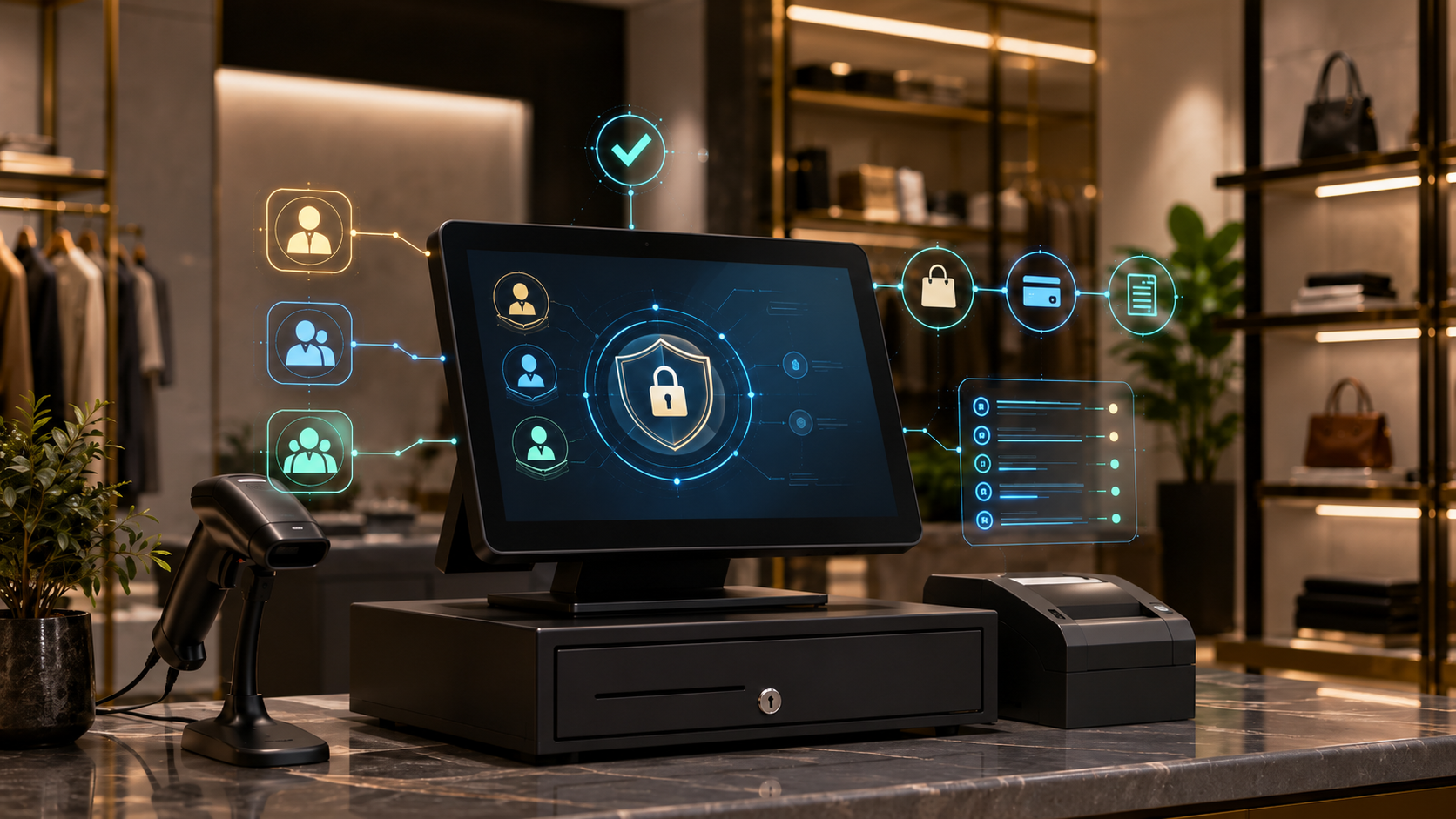
Retail losses and operational mistakes often begin with shared logins, excessive permissions, and actions that cannot be traced. Learn how role-based access, personal accounts, approvals, and POS audit logs create accountability without slowing the store.

Read article
The Website Says “In Stock,” but the Shelf Is Empty: How POS Systems Prevent Omnichannel Inventory Failures

The Website Says “In Stock,” but the Shelf Is Empty: How POS Systems Prevent Omnichannel Inventory Failures

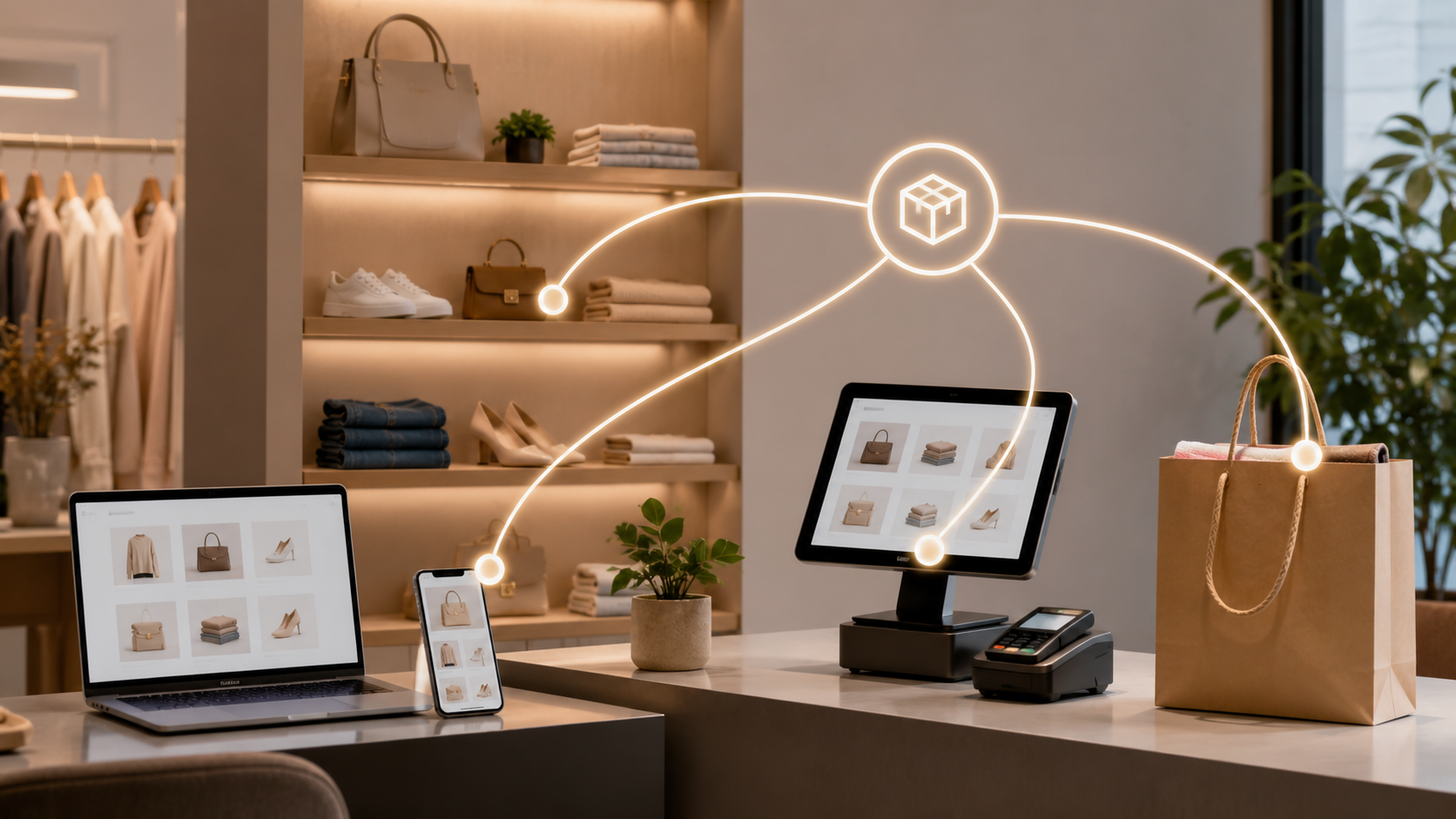
Online orders, store sales, pickup reservations, returns, and transfers compete for the same units. Learn how a connected POS protects inventory accuracy, prevents overselling, and keeps click-and-collect promises realistic.

Read article
A Return Is Not a Sale in Reverse: How POS Systems Handle Refunds, Exchanges, Restocking, and Return Fraud

A Return Is Not a Sale in Reverse: How POS Systems Handle Refunds, Exchanges, Restocking, and Return Fraud

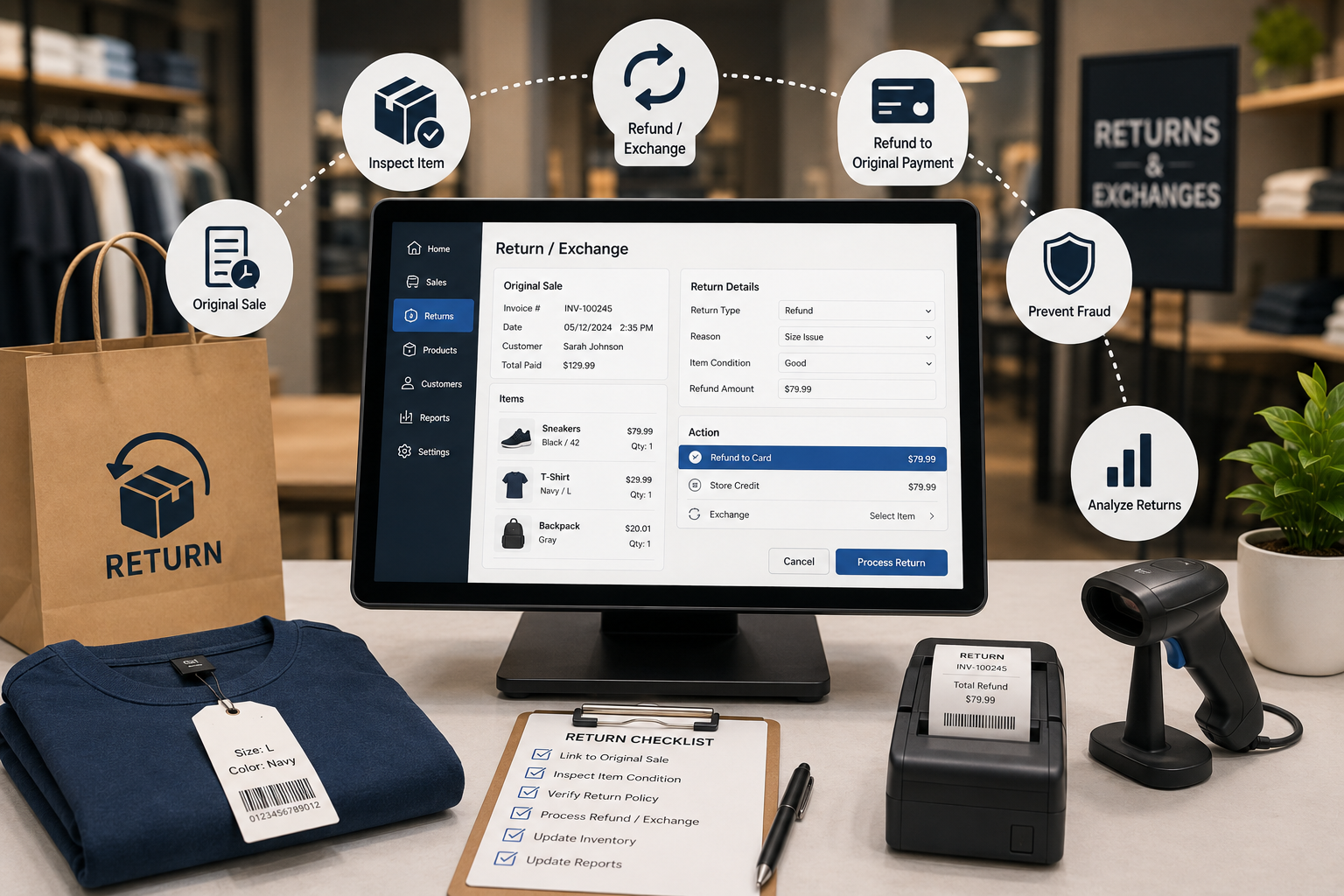
Returns affect cash, margin, inventory, tax, customer trust, and fraud exposure. Learn how a modern POS should connect every refund or exchange to the original sale, inspect product condition, control approvals, and keep stock accurate.

Read article
Stop Rewarding Every Sale the Same Way: How POS Data Builds Customer Loyalty Without Destroying Margin

Stop Rewarding Every Sale the Same Way: How POS Data Builds Customer Loyalty Without Destroying Margin

Points and discounts do not automatically create loyalty. Learn how POS customer data, purchase history, visit frequency, product preferences, and relevant rewards can improve retention without training shoppers to wait for promotions.

Read article
The Price on the Shelf Must Match the Price at Checkout: How POS Systems Fix Pricing and Promotion Errors in 2026

The Price on the Shelf Must Match the Price at Checkout: How POS Systems Fix Pricing and Promotion Errors in 2026

A practical guide to connecting POS pricing, promotions, inventory, and electronic shelf labels so retailers reduce checkout disputes, protect margins, and keep customer trust.

Read article
Where Retail Profit Disappears: How Modern POS Systems Fight Shrink, Return Fraud, and Costly Errors in 2026

Where Retail Profit Disappears: How Modern POS Systems Fight Shrink, Return Fraud, and Costly Errors in 2026

A practical guide to using POS data, permissions, audit trails, return controls, inventory reconciliation, and real-time alerts to reduce retail shrink without treating every customer or employee as a suspect.

Read article
Your POS Knows More Than Your Sales Report: How to Turn Retail Data into Loyalty and Profit in 2026

Your POS Knows More Than Your Sales Report: How to Turn Retail Data into Loyalty and Profit in 2026

Learn how modern retailers use POS data to understand customers, build smarter loyalty programs, improve margins, reduce waste, and make faster decisions—without turning the store into a surveillance project.

Read article
PreviousPage 1 / 2Next