
Your POS Knows More Than Your Sales Report: How to Turn Retail Data into Loyalty and Profit in 2026
Learn how modern retailers use POS data to understand customers, build smarter loyalty programs, improve margins, reduce waste, and make faster decisions—without turning the store into a surveillance project.
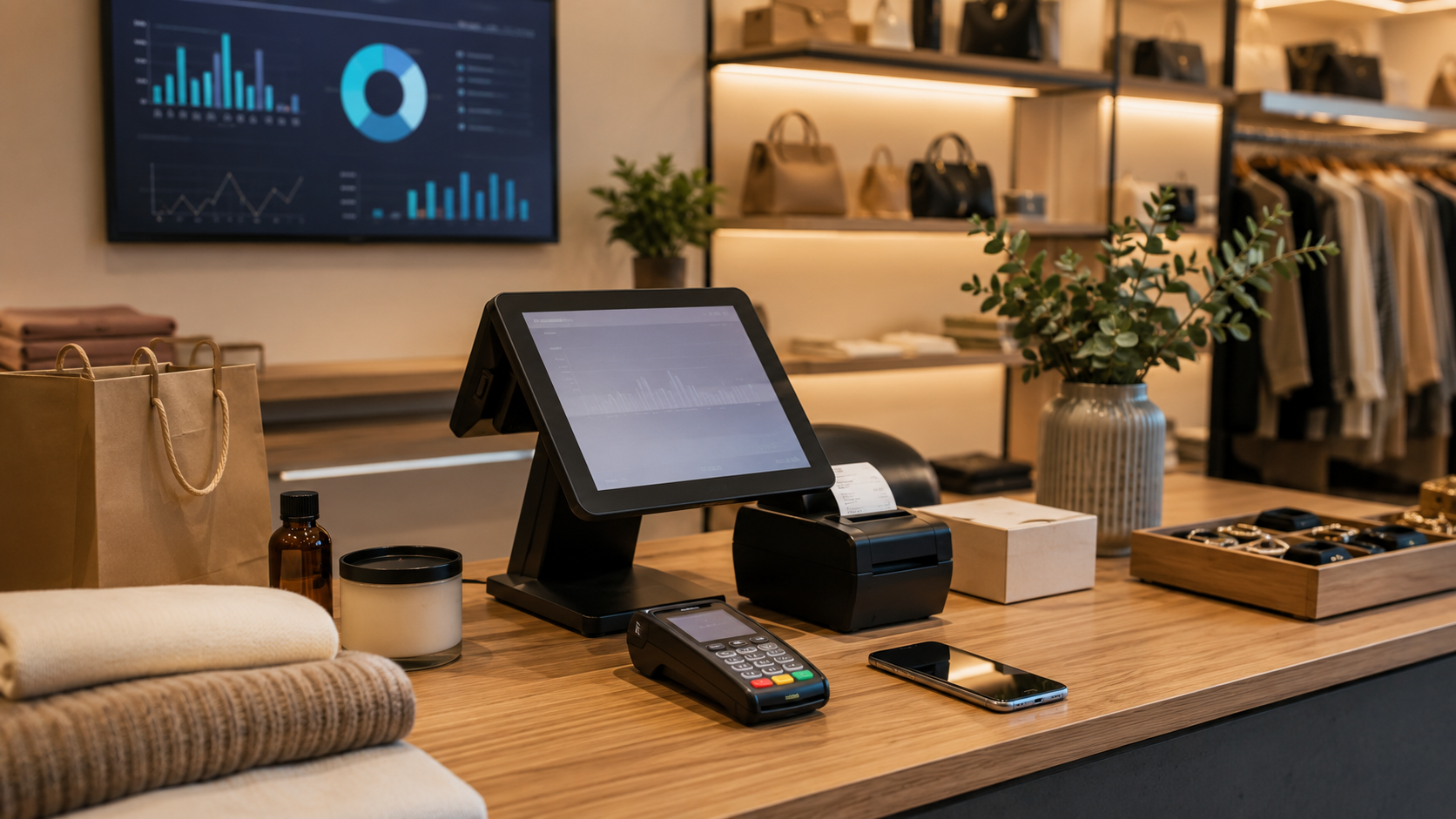
Your POS Knows More Than Your Sales Report: How to Turn Retail Data into Loyalty and Profit in 2026
Learn how modern retailers use POS data to understand customers, build smarter loyalty programs, improve margins, reduce waste, and make faster decisions—without turning the store into a surveillance project.
A Receipt Is a Tiny Business Story
At 6:17 p.m., a customer buys pasta, tomato sauce, two bottles of water, and a chocolate bar. The sale looks ordinary. Yet the basket quietly answers several questions: which products travel together, what time the customer prefers to shop, whether the promotion changed the basket, and which item might bring the person back next week.
Most stores collect thousands of these small stories and then reduce them to one line: total sales.
That is a missed opportunity. A modern POS can show far more than how much money entered the till. It can reveal product combinations, repeat-purchase cycles, price sensitivity, branch differences, return patterns, stock pressure, and the gap between revenue and actual margin. The goal is not to drown the owner in dashboards. It is to turn daily transactions into a handful of useful decisions.
From Generic Loyalty to Useful Loyalty
Traditional loyalty programs often reward the customer for spending more without learning anything meaningful. Everyone receives the same coupon, even if half the audience never buys the promoted product. The result is predictable: discounts become noise, margins shrink, and customers stop paying attention.
POS data allows a more sensible approach. A coffee shop can notice that a customer usually visits on weekday mornings but has not returned for three weeks. A pet store can identify the likely repurchase window for a bag of food. A cosmetics shop can avoid sending another discount for a product the customer returned yesterday.
Personalization does not need to feel invasive. Often the best message is simple and relevant: an item is back in stock, a useful refill is due, loyalty points are about to expire, or a familiar category has a genuine offer. The merchant should always prefer permission, clarity, and restraint over aggressive tracking.
The Numbers That Actually Improve Profit
Revenue can rise while profit quietly falls. A store may sell more units because of heavy discounts, lose margin through frequent returns, or keep revenue stable while dead stock grows in the back room. That is why owners should look beyond the sales total.
Useful measures include gross margin by product, discount rate, return rate, basket size, items per transaction, sell-through, stock cover, repeat purchase rate, and the percentage of customers who return within a chosen period. None of these figures is magical alone. Together, they explain whether growth is healthy.
Consider a retailer that sells two similar products. Product A generates more revenue, so the owner keeps giving it the best shelf space. Product B sells slightly less but has a stronger margin, fewer returns, and encourages customers to buy an accessory. Once the POS data connects those facts, the shelf decision changes.
Inventory Data and Customer Data Should Talk to Each Other
A promotion is not useful if the featured product runs out on the first morning. A loyalty campaign can even damage trust when it invites customers to visit for stock that is not available in their branch.
This is where connected POS data matters. Customer demand, current inventory, incoming supply, branch availability, returns, and promotions should be evaluated together. The system can help a manager choose an offer that is relevant and operationally possible.
The same connection reduces waste. A grocery store can promote products approaching their practical sales window to customers who genuinely buy that category. A fashion retailer can identify sizes that move slowly in one branch but sell well in another, then transfer stock instead of immediately discounting it.
Use AI as an Assistant, Not an Oracle
AI can scan more transactions than any manager and surface patterns that would otherwise stay hidden. It can suggest customer segments, flag unusual refunds, forecast likely demand, summarize a day, or recommend products that often appear in the same basket.
But a suggestion is not a decision.
A sudden sales spike may come from a local event that the model does not understand. A product with low sales may be strategically important because it brings customers into the store. A promotion that looks profitable in the data may irritate loyal customers if used too frequently. Human context remains essential.
The strongest setup is simple: AI finds the pattern, the manager checks the business reality, and the POS records the result so the next recommendation becomes better.
A Practical Data Plan for a Growing Store
Begin with one business question, not a giant analytics project. Which products are regularly bought together? Why are returns increasing? Which customers stopped coming back? Which branch is losing margin through discounts? Choose one question and define the action you will take when the answer appears.
Clean data comes next. Duplicate products, inconsistent categories, shared cashier accounts, missing return reasons, and random discount names weaken every report. Good analytics begins at the counter with clear product records and disciplined processes.
Then build a weekly rhythm. Review a small set of numbers, write down one observation, choose one action, and check the result the following week. This habit is more valuable than a dashboard opened once a month.
Dashierly can be evaluated through the same practical lens. Its connected sales, inventory, customer, supplier, return, expense, branch, reporting, permission, notification, and audit capabilities are useful only when they answer real operating questions. The same standard should apply to any POS platform.
The final rule is worth keeping: collect less data, understand it better, and use it with respect. A store earns loyalty by being helpful and reliable—not by proving how much it knows about the customer.
One useful exercise is to compare two reports that usually live apart: the ten bestselling products and the ten products with the highest gross profit. The overlap may be smaller than expected. That gap helps a manager decide what deserves shelf space, staff attention, and promotion.
Customer identification should never become a barrier at checkout. Allow anonymous sales, explain the value of joining, and ask only for information the business will genuinely use. A phone number collected without purpose is not an asset; it is a responsibility.
Keep reading
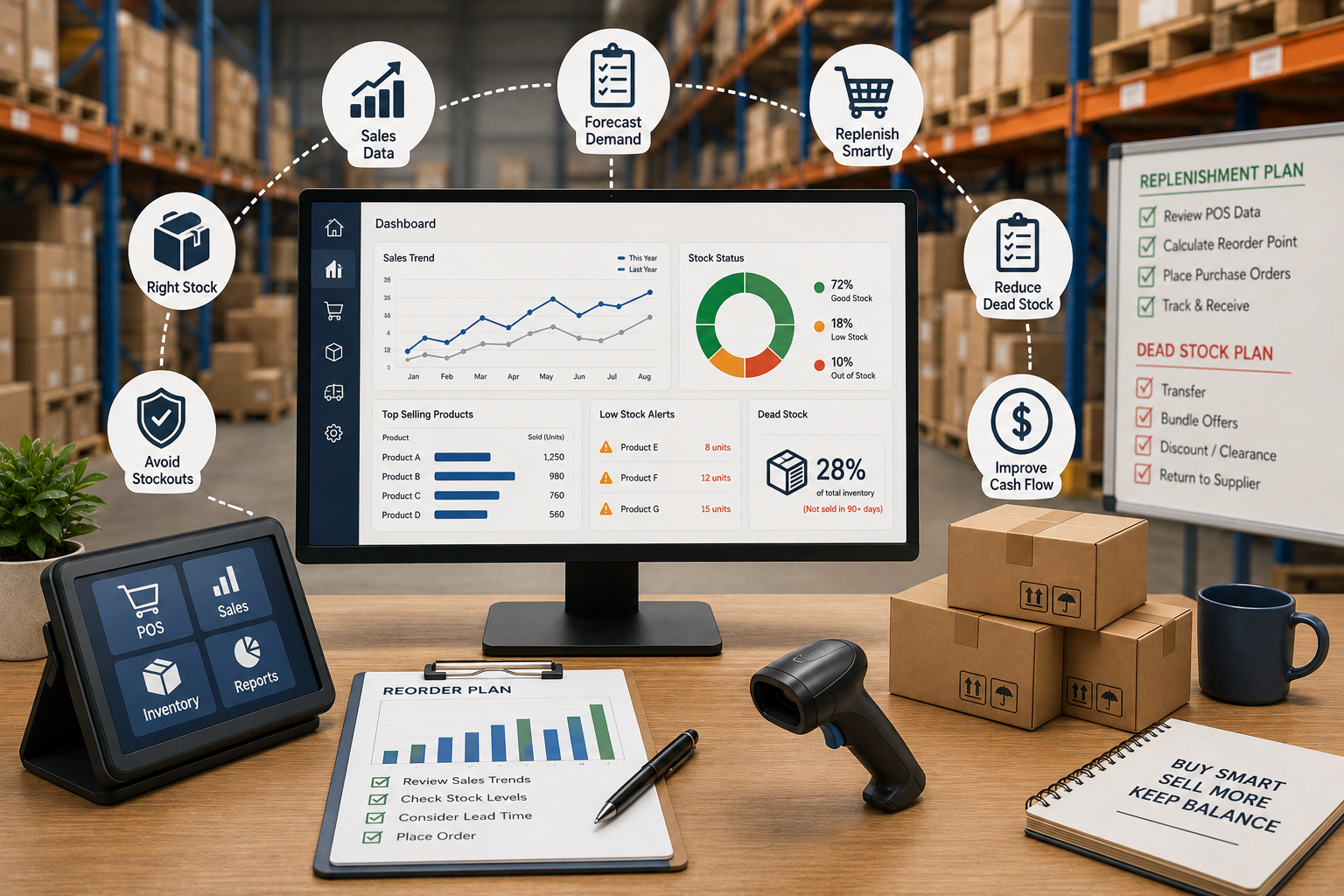
Your Warehouse Is Full, but the Best Sellers Are Missing: How POS Data Fixes Replenishment and Dead Stock
A full warehouse does not mean healthy inventory. Learn how POS sales velocity, lead time, seasonality, reorder points, supplier performance, transfers, and dead-stock analysis help retailers buy the right products at the right time.
Read article
Who Changed the Price? How POS Permissions and Audit Trails Protect Retail Operations
Retail losses and operational mistakes often begin with shared logins, excessive permissions, and actions that cannot be traced. Learn how role-based access, personal accounts, approvals, and POS audit logs create accountability without slowing the store.
Read article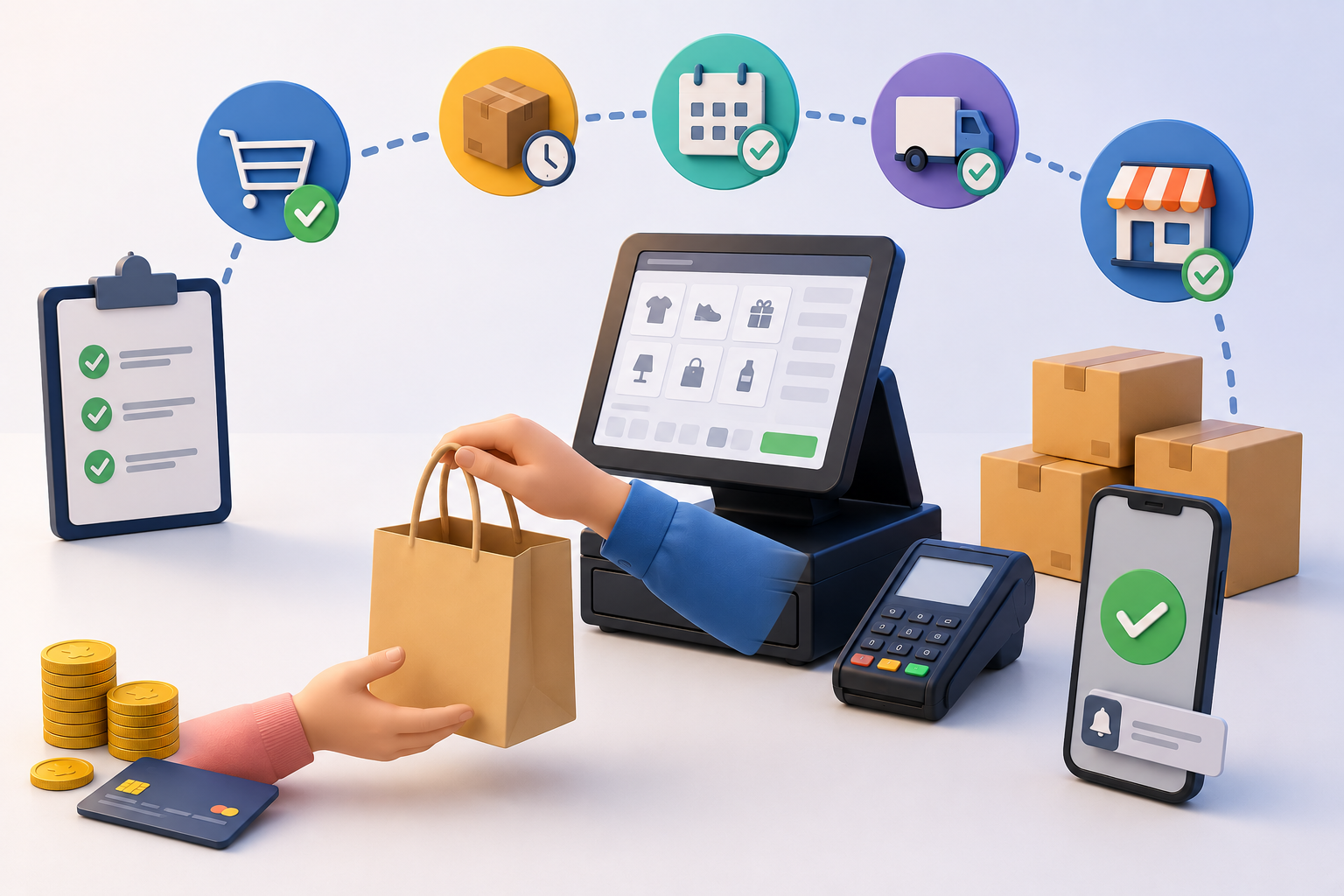
The Customer Paid a Deposit, but the Sale Is Not Finished: How POS Systems Should Manage Preorders, Layaway, and Partial Payments
Deposits, preorders, layaway, special orders, and partial payments can secure demand and improve cash flow—but only when inventory, customer balances, due dates, refunds, and accounting stay connected. Learn how a modern POS should manage the entire order lifecycle.
Read article