
The 10-Second Checkout Is Coming: Is Your Store Ready for the New POS Era?
Checkout is becoming faster, mobile, predictive, and connected. Explore the POS trends reshaping retail in 2026 and learn how stores can remove queues without losing control.
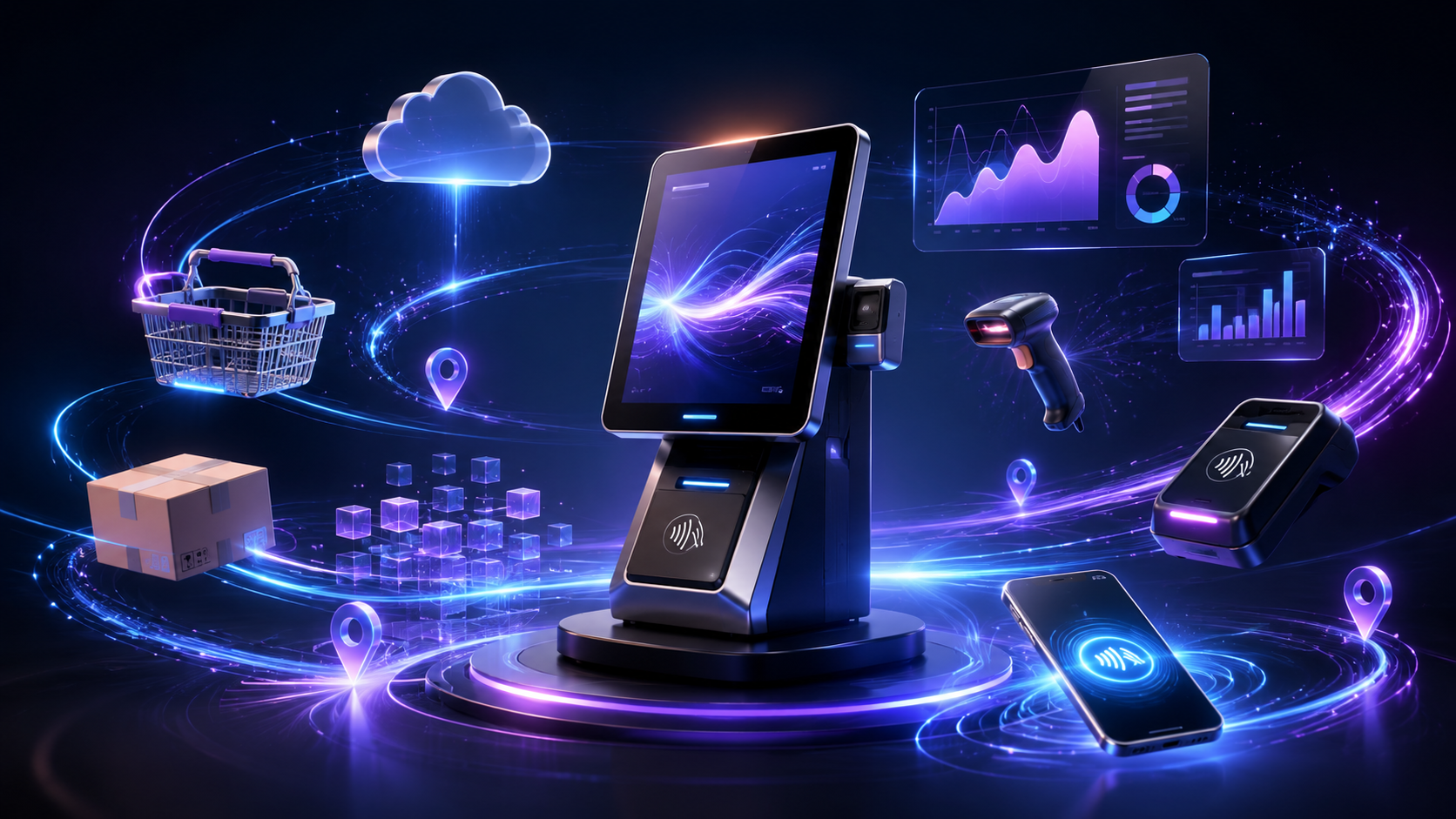
The 10-Second Checkout Is Coming: Is Your Store Ready for the New POS Era?
Checkout is becoming faster, mobile, predictive, and connected. Explore the POS trends reshaping retail in 2026 and learn how stores can remove queues without losing control.
The Queue Is the Last Visible Bug in Retail
Retailers spent years optimizing advertising, pricing, delivery, and loyalty, yet many customers still end the journey standing in a queue. In 2026, checkout speed is becoming a competitive signal. Large retailers are testing pre-scanning, mobile payment, app-based scan-and-pay, and automated stations because the final minute of a shopping trip can define the entire experience. The next generation of POS is therefore not just a faster cash register. It is an operating system designed to remove pauses between product, payment, inventory, and decision-making.
Why Ten Seconds Matters
Ten seconds is not a universal promise, but it is a useful design target. It forces a retailer to ask where time is lost: searching for products, rescanning damaged barcodes, waiting for prices, choosing payment types, printing unnecessary paper, requesting manager approval, or correcting inventory conflicts. A fast checkout is created before the customer reaches the counter. Clean product data, reliable devices, clear permissions, stable connectivity, and simple payment flows matter more than flashy animations.
Mobile POS Turns the Counter into a Network
The fixed checkout desk is no longer the only place where a sale can happen. Staff can use phones or tablets to scan products, check availability, prepare baskets, receive stock, or complete payment closer to the customer. Mobile POS is especially useful during peak hours, pop-ups, exhibitions, curbside collection, and stores with limited floor space. The strategic change is larger than hardware: capacity can move to the part of the store where demand appears.
Pre-Scanning Changes the Shape of the Queue
Pre-scanning separates product identification from payment. Employees can scan a cart while the shopper is waiting, or customers can scan through an app before reaching a payment point. The final station then confirms the basket and accepts payment. This approach can shorten visible waiting time, but only if product, price, promotion, and inventory data remain synchronized. Otherwise, the store simply moves the delay from one screen to another.
Unified Commerce Is the Quiet Trend Behind the Speed
Fast checkout depends on connected data. A product should not have one price online, another at the counter, and an unavailable quantity in the branch system. Unified commerce brings inventory, pricing, customers, orders, payments, returns, and store activity into a shared operational foundation. It is less exciting than a robot or holographic screen, but it is the reason modern experiences work reliably. AI also performs better when the underlying data is consistent.
Practical AI, Not Innovation Theatre
Retail AI is moving from impressive demonstrations toward specific operational jobs. Useful applications include forecasting demand, highlighting unusual returns, suggesting replenishment, identifying products at risk of stockout, summarizing daily exceptions, and helping staff find information faster. The important question is not whether a POS mentions AI. It is whether automation reduces a measurable cost, error, delay, or missed sale while leaving employees able to review important decisions.
Contactless Is Becoming the Default Expectation
Customers increasingly expect to tap a card, phone, or wearable and leave. Payment choice affects queue design, staff training, hardware, reconciliation, and customer confidence. A modern POS should make payment selection obvious and recover gracefully when a terminal or connection fails. Speed without resilience is dangerous: a checkout that works brilliantly in a demonstration but stops during a network issue can create a longer queue than the system it replaced.
The New KPI Is Friction per Transaction
Transaction count and revenue remain important, but they do not reveal where a customer struggled. Retailers should observe time to first scan, average checkout duration, voids, price overrides, failed payments, manager interventions, abandoned baskets, receipt reprints, returns, and stock mismatches. These signals show friction. The goal is not to force every sale through in ten seconds; it is to remove unnecessary seconds while protecting accuracy, security, and service.
A Faster Checkout Can Still Feel Human
Automation should not turn employees into spectators or customers into unpaid cashiers. The best design gives people choices. A customer with one item may prefer self-checkout; a family with a full cart may want assistance; a shopper with a return needs a knowledgeable employee. POS technology should route each situation to the shortest sensible path. Human help becomes more valuable when staff are freed from repetitive steps.
Security Must Move at the Same Speed
Faster access and mobile devices create new risks. Role-based permissions, audit history, secure sessions, device controls, payment compliance, and clear approval rules must be built into the flow. If every cashier shares an administrator account, the system may be quick but the business is blind. Security should be quiet and contextual: stronger checks for sensitive actions, minimal interruption for routine work, and a reliable history when managers need answers.
What Small Retailers Can Do Now
A small store does not need robotic carts to prepare for this future. Start by cleaning product and barcode records, reducing unnecessary checkout steps, measuring peak-hour delays, testing mobile devices, reviewing payment failures, and connecting sales with live inventory. Train staff on exceptions rather than only the happy path. Modernization works best as a sequence of small operational improvements, not one expensive launch.
Where Dashierly Fits
Dashierly can support this transition by connecting barcode checkout, inventory, invoices, returns, users, branches, reports, notifications, and audit history across Windows, macOS, and Android. It does not need to dominate the article because the broader lesson matters more: the winning POS platform will be the one that makes the store feel faster while making management more informed.
The Checkout of 2026 Is a System, Not a Desk
The most important POS trend is not a single device. It is the disappearance of boundaries between checkout, inventory, payment, staff, and customer context. Ten-second payment may attract attention, but the real transformation is a store that knows what is being sold, where stock is located, which exceptions require help, and how to keep moving when something fails. The future checkout is fast because the entire operation is coordinated.
Keep reading
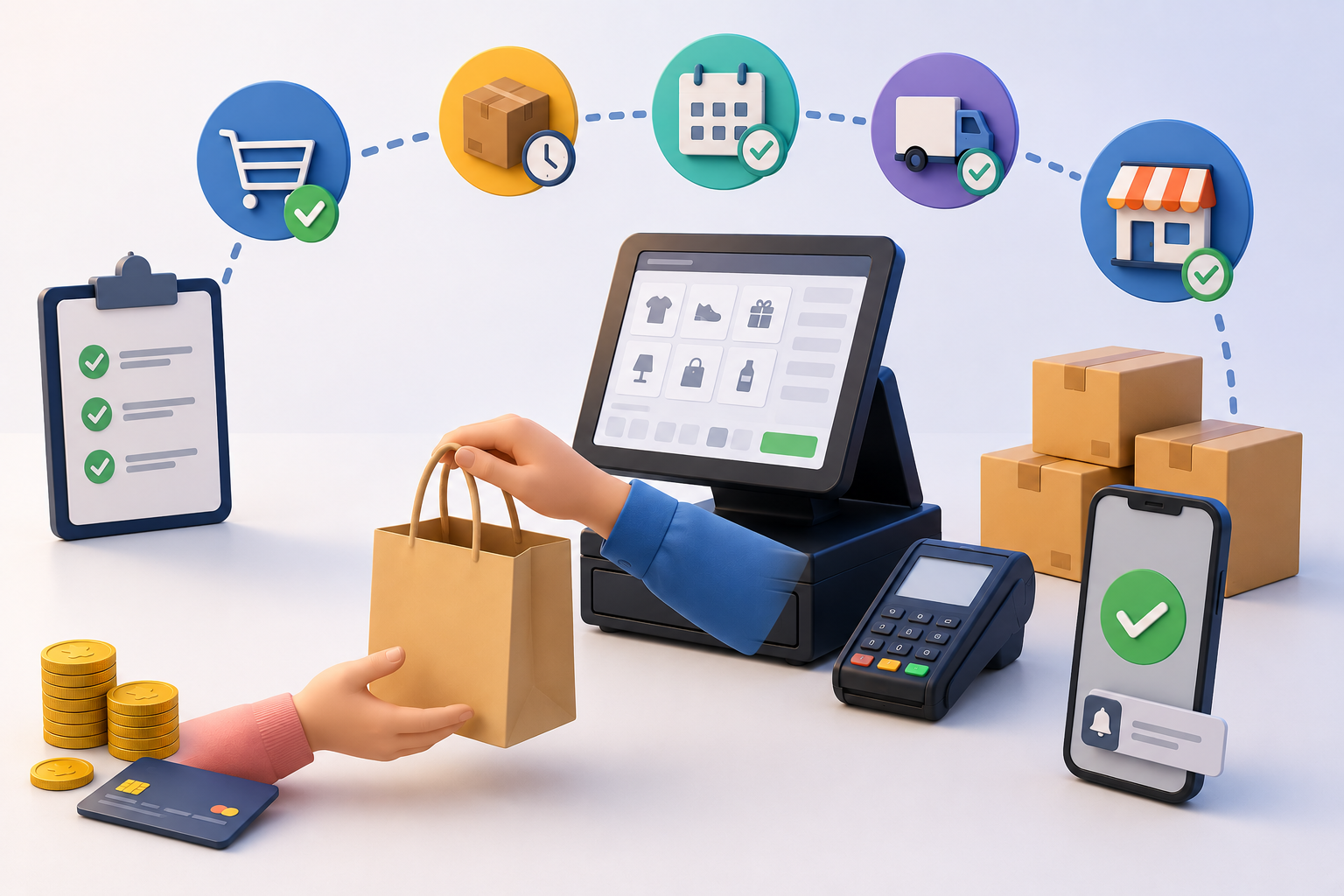
The Customer Paid a Deposit, but the Sale Is Not Finished: How POS Systems Should Manage Preorders, Layaway, and Partial Payments
Deposits, preorders, layaway, special orders, and partial payments can secure demand and improve cash flow—but only when inventory, customer balances, due dates, refunds, and accounting stay connected. Learn how a modern POS should manage the entire order lifecycle.
Read article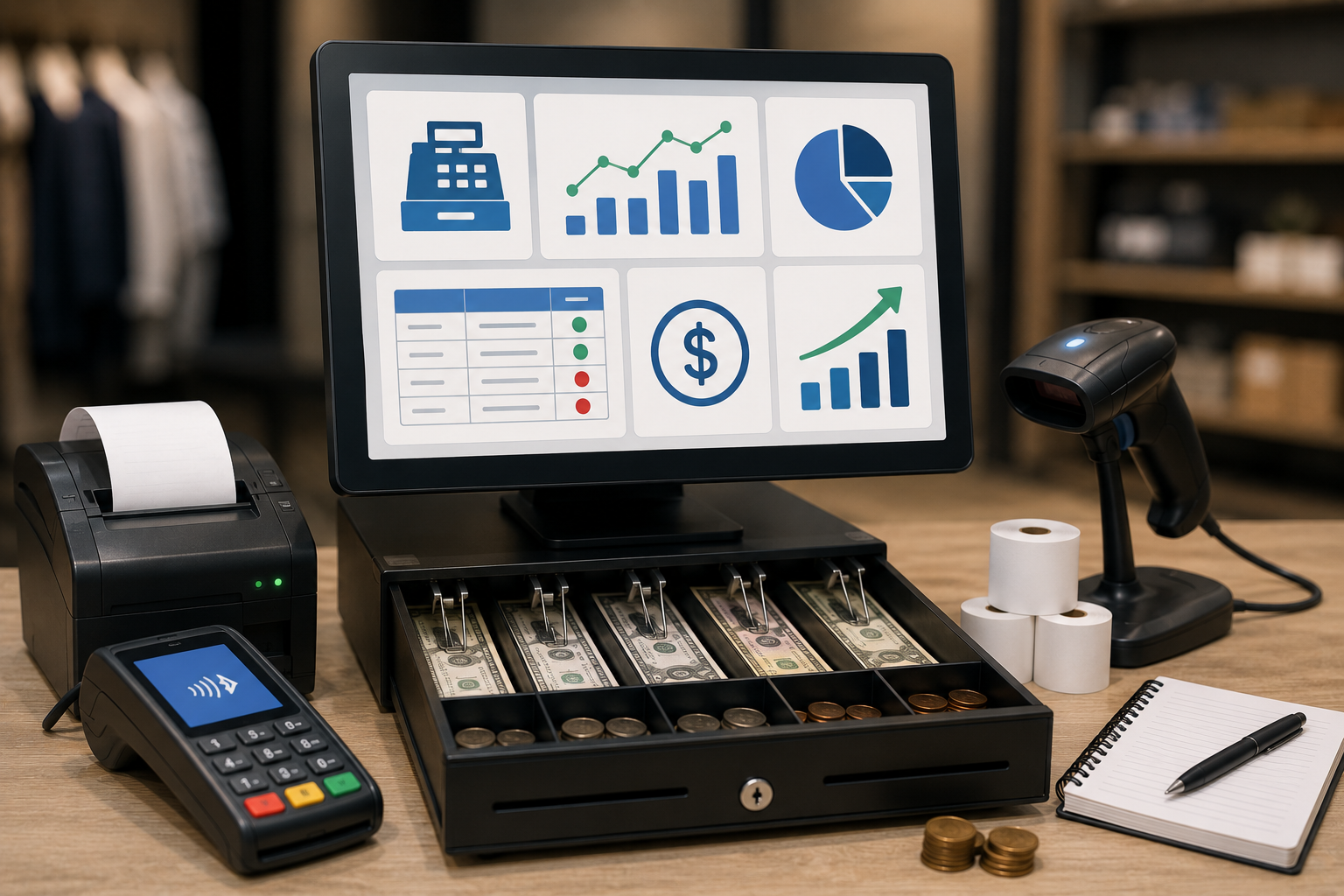
The Register Is Short—But Where Did the Money Go? A Practical POS Guide to Cash Drawers and Payment Reconciliation
A cash difference at closing does not automatically mean theft. Learn how POS register sessions, floats, paid-in and paid-out movements, refunds, tips, card settlements, and clear accountability help retailers reconcile every payment method.
Read article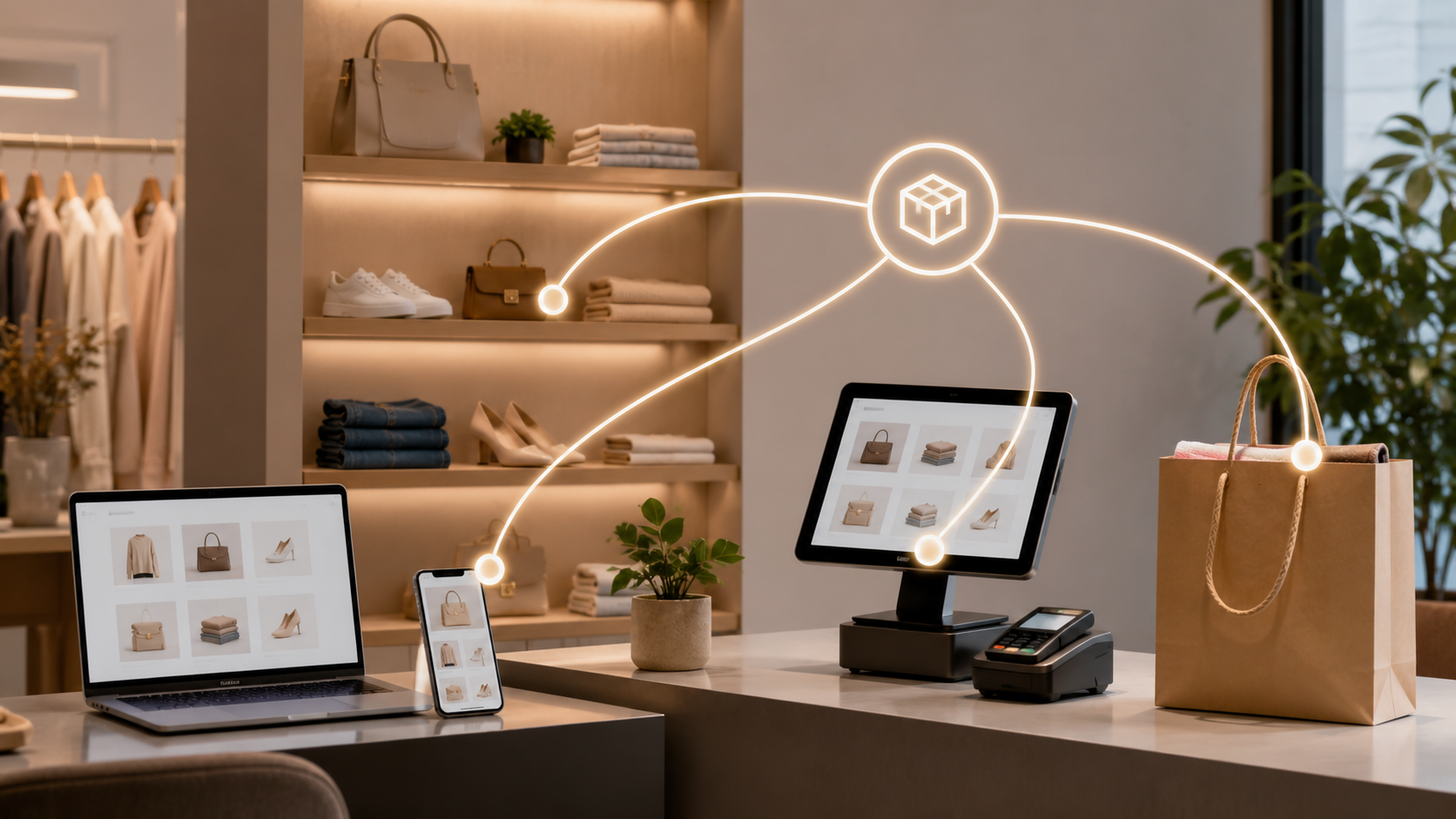
The Website Says “In Stock,” but the Shelf Is Empty: How POS Systems Prevent Omnichannel Inventory Failures
Online orders, store sales, pickup reservations, returns, and transfers compete for the same units. Learn how a connected POS protects inventory accuracy, prevents overselling, and keeps click-and-collect promises realistic.
Read article